

The Future of Real Estate Photography: Blending Online Courses with Outsourced HDR & Editing Teams
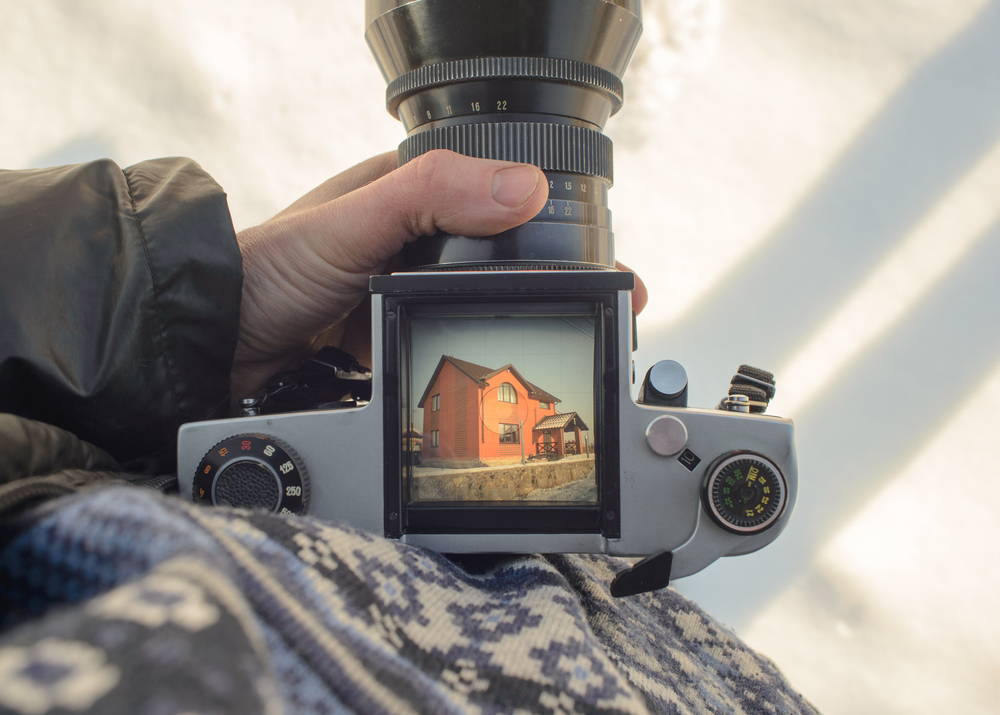
As the real estate industry rapidly digitizes, the demand for skilled real estate photographers continues to grow. With this shift, many aspiring professionals are turning to real estate photography courses online. These courses provide comprehensive training that covers everything from camera settings and lighting techniques to post-processing and business fundamentals. Online learning offers unmatched flexibility, allowing photographers to upskill at their own pace while gaining access to expert insights and community support.
The accessibility of online education has democratized entry into the industry. Beginners can quickly master foundational techniques, while seasoned photographers can learn advanced methods such as aerial drone shooting and 3D virtual tours. As the industry becomes increasingly competitive, online courses provide a valuable edge by helping photographers stay ahead of current real estate photo editing trends.
The Evolution of Outsourcing Real Estate Photo Editing
In tandem with the rise of online education is the explosive growth in outsourcing real estate photo editing. Today, photographers are expected to deliver magazine-quality images with quick turnaround times. The demand for consistency and speed has led many to rely on third-party editing teams, particularly those specializing in HDR (High Dynamic Range) imaging and virtual staging.
Outsourcing real estate photo editing allows photographers to focus on what they do best: capturing compelling property shots. By delegating time-consuming post-processing tasks to specialized teams, photographers can handle more clients and scale their businesses without compromising on quality. Moreover, outsourced teams often operate across time zones, enabling overnight turnarounds that benefit both photographers and their clients.
The sophistication of these editing teams has grown significantly. Modern outsourced services offer more than basic color correction; they include sky replacements, object removal, twilight conversions, and advanced HDR blending. These enhancements not only make listings stand out but also align with emerging real estate photo editing trends, such as cinematic tones and realistic virtual staging.
Integrating Education with Automation
The convergence of real estate photography courses online and outsourcing services is ushering in a new era of business automation. Photographers are now learning not only how to shoot but also how to run their operations efficiently. Many online courses emphasize the importance of automating workflows, from client onboarding and scheduling to file delivery and invoicing.
Business automation is becoming a crucial skill set for modern real estate photographers. Learning platforms often include modules on CRM tools, cloud storage solutions, and editing pipeline integrations. When combined with outsourced editing teams, these tools streamline the entire production process. A photographer can capture a home in the morning, upload the files to a cloud server, and have fully edited photos ready by the next day — all without touching editing software.
This seamless integration of learning and automation empowers photographers to scale without burnout. Rather than being bogged down by repetitive tasks, professionals can concentrate on growth strategies, marketing, and client relationships. Real estate photography is no longer just about artistry; it’s about building a scalable, tech-savvy business model.
Staying Ahead of Real Estate Photo Editing Trends
Understanding and adapting to real estate photo editing trends is essential for anyone in the industry. As homebuyers increasingly begin their property search online, visual presentation becomes a powerful sales tool. Photographers who stay current with trends are better positioned to meet client expectations and win repeat business.
One major trend is the use of HDR photography, which balances lighting and contrast to create vivid, lifelike images. This technique has become a staple in modern listings. Other emerging trends include virtual twilight shots, 360-degree tours, and AI-driven enhancements. Outsourced teams are often at the forefront of these innovations, offering photographers access to cutting-edge editing without the need to master each technique themselves.
Online courses are also evolving to include modules on trend forecasting and client education. Photographers learn not just how to execute these styles, but how to explain their value to clients. This educational approach positions photographers as consultants rather than just service providers. By combining continuous learning with outsourced expertise, professionals can offer services that are both modern and highly competitive.
The Future of Real Estate Photography: A Hybrid Model
The future of real estate photography lies in a hybrid model that blends education, outsourcing, and automation. Real estate photography courses online provide the foundational knowledge and business acumen needed to thrive. Meanwhile, outsourcing real estate photo editing enables photographers to maintain high-quality output without sacrificing time or efficiency. Automation tools tie it all together, creating a streamlined, scalable business framework.
This hybrid approach is particularly beneficial for solo entrepreneurs and small studios. Rather than hiring full-time staff, photographers can outsource specific tasks as needed, reducing overhead while maintaining quality. Online education keeps their skills sharp and their offerings relevant. Automation minimizes administrative work, freeing up time for creative pursuits and strategic planning.
As technology continues to advance, we can expect even greater integration between learning platforms and outsourcing services. Some courses may soon offer direct links to vetted editing teams, allowing for seamless transitions from learning to execution. In the future, AI tools could further automate editing requests, predict client needs, and personalize educational content based on a photographer’s growth path.
Conclusion
Real estate photography is undergoing a transformative shift, driven by the rise of real estate photography courses online, the increased reliance on outsourcing real estate photo editing, and the adoption of business automation tools. This trifecta is reshaping how professionals enter the industry, deliver services, and grow their businesses.
By embracing online learning, photographers gain the skills necessary to produce compelling visual content. By outsourcing editing tasks, they maintain high-quality results while maximizing productivity. Through automation, they streamline operations and reduce manual workloads. The future of real estate photography belongs to those who can effectively integrate these elements into a cohesive, efficient, and forward-thinking business model.
In this new landscape, success is no longer reserved for those with the most expensive equipment or the biggest teams. Instead, it belongs to those who invest in continuous learning, leverage global talent, and build systems that support sustainable growth. The blend of education, outsourcing, and automation is not just the future of real estate photography—it’s already becoming the standard.
Need Real Estate HDR Outsourcing in St. Cloud, MN?
Welcome to PixNevel, your premier destination for HDR image enhancement and day-to-dusk virtual staging. We specialize in transforming ordinary photos into stunning, high-quality visuals that capture attention and elevate any space. Our expert team uses and coaches advanced HDR techniques to enhance image clarity, color, and detail, making your property or product stand out. Additionally, our day-to-dusk photo editing and virtual staging services create captivating twilight scenes, adding warmth and allure to your listings. Contact us today to learn more about what we can do for you.