


Professional listing photos, video, drone imagery, and other real estate media can help a St. Cloud agent bring a property to market, but the cost still has to come from somewhere. For agents managing several listings across Central Minnesota, finding legitimate ways to offset those marketing expenses can make a meaningful difference. One option worth
READ MOREBlog
Blog
What Happens When a Drone Scratches a Tesla? Essential Insurance & Risk Protection for Real Estate Media

A real estate media shoot can involve more than cameras, listings, and good weather. Around St Cloud, a drone may be operating near parked vehicles, neighboring homes, landscaping, agents, sellers, and other valuable property, which means even a small flight mistake can create a surprisingly expensive problem. If a drone clips a Tesla, scratches another
READ MOREThe Math Behind Scaling: How to Shoot 10 Listings a Week Without Burning Out on Editing

If you are a real estate photographer trying to grow your income, there comes a point where the bottleneck is not your shooting schedule. It is your editing queue. You can hustle your way to five listings a week, maybe six, but somewhere between the sixth and seventh property, the hours start bleeding into each
READ MOREReal Estate Photography Capital Expenses: How to Structure Your Business for Maximum Tax Deductions in Minnesota

Starting and scaling a real estate photography business in Minnesota comes with exciting income potential, but it also comes with significant upfront costs. Camera bodies, lenses, drones, lighting gear, editing software, and vehicles all add up fast. The good news is that the IRS and Minnesota Department of Revenue allow self-employed photographers to deduct many
READ MOREWhat Do Real Estate Agents Actually Expect From Photographers in 2026? (And Do Courses Teach This?)
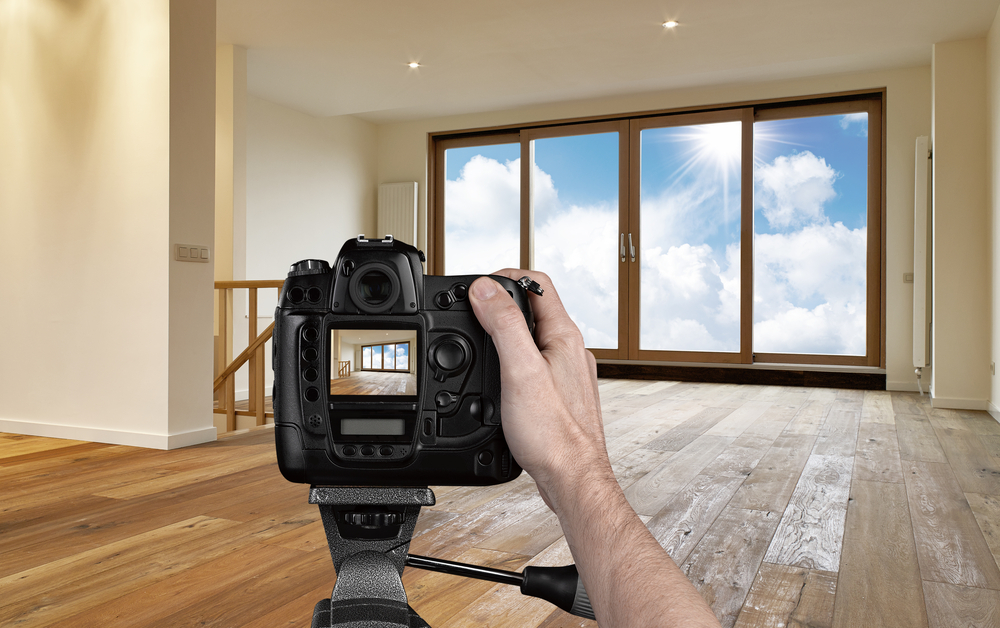
In 2026, the expectations real estate agents have of photographers have become sharper, more demanding, and closely tied to ROI. A real estate photographer is no longer just someone who takes decent pictures of a home. They are expected to be a critical part of the property marketing strategy. This shift reflects both an increasingly
READ MORE