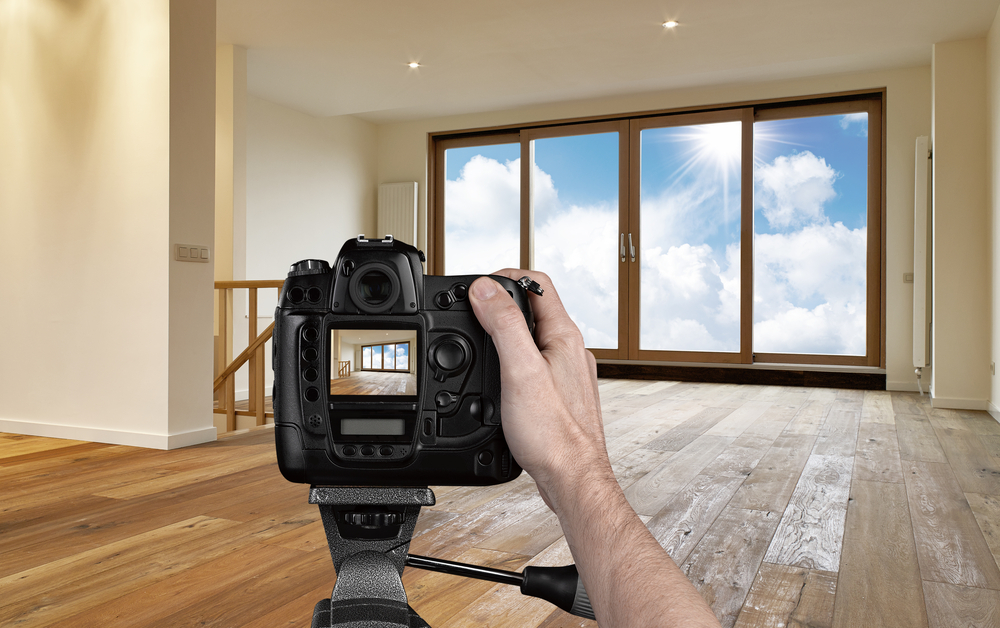
Professional listing photos, video, drone imagery, and other real estate media can help a St. Cloud agent bring a property to market, but the cost still has to come from somewhere. For agents managing several listings across Central Minnesota, finding legitimate ways to offset those marketing expenses can make a meaningful difference.
One option worth exploring is a lender co-marketing arrangement. Depending on how the program is structured, a participating lender may share eligible advertising or marketing expenses with an agent. That can potentially make a stronger media package more affordable without simply asking the agent to absorb the entire cost.
Quick answer: A lender may be able to share the cost of eligible real estate marketing when the lender receives proportional advertising value and the arrangement follows applicable brokerage, lending, advertising, and RESPA requirements. This is not an automatic loophole or a way to shift an agent’s bill to a lender. The specific arrangement should be reviewed by the participating broker, lender, and compliance professionals before money changes hands.
What St. Cloud real estate agents should know
Co-marketing generally works best when both the agent and lender receive clearly defined advertising value from the materials being produced.
The lender’s contribution should reflect the lender’s share of the marketing rather than simply functioning as reimbursement for an agent’s normal business expense.
Listings around St. Cloud, Sartell, Sauk Rapids, Waite Park, and greater Stearns County can require different media strategies depending on the property and target buyer.
Agents should get brokerage approval and confirm the lender’s compliance requirements before assuming a particular photography, video, or advertising expense qualifies.
Documentation matters, including invoices, the actual marketing materials, and evidence showing what each participating business received.
How Can Lender Co-Marketing Help Pay for Real Estate Media?
Lender co-marketing can help pay for real estate media when an agent and lender legitimately share an advertising expense and each receives advertising value proportional to what they pay. The arrangement needs to be structured as genuine joint marketing, not as a lender simply covering an agent’s photography bill.
Imagine an agent is preparing a new listing near the St. Cloud metro and wants more than basic photography. The marketing plan might include professional images, a property video, social media assets, or other promotional content.
If a lender is also being advertised as part of eligible marketing materials, there may be an opportunity for the two businesses to share qualifying costs.
The important distinction is shared advertising, not free media.
PixNevel provides real estate media services in St. Cloud and the surrounding area. When agents are considering a co-marketing strategy, we recommend confirming the approved structure with their brokerage and participating lender before deciding which media or marketing expenses will be shared.
What Do Local Agents Need to Verify Before Using Co-Marketing?
St. Cloud agents should verify that the proposed arrangement is approved, documented, proportional, and compliant before treating lender participation as part of their listing marketing budget. Rules can depend on how the advertisement is structured, what each party receives, and how payment is handled.
Federal RESPA rules are particularly relevant when settlement-service providers exchange money or things of value. Minnesota also regulates compensation involving real estate licensees. Minnesota Statutes Section 82.70 addresses compensation, undisclosed compensation, and broker authorization.
That makes broker and lender compliance review important.
A practical process is to establish the marketing plan first, identify what advertising exposure the lender would actually receive, and then determine whether the lender’s compliance team approves its share.
Do not assume that putting a lender logo on a piece of content automatically makes half of the expense eligible for lender payment.
Why Does This Matter for St. Cloud Real Estate Marketing?
Co-marketing matters locally because it may give agents another way to build a more complete marketing campaign while carefully managing the cost of promoting listings. That can be particularly useful for agents competing for listings throughout St. Cloud and neighboring Central Minnesota communities.
A listing near downtown St. Cloud may call for a different visual strategy than acreage outside the metro. A Sartell home might benefit from a polished photo and video package, while a property near Sauk Rapids could call for aerial context or additional exterior coverage when appropriate.
The media package should still be chosen because it fits the property.
Co-marketing should be a funding consideration after the marketing strategy is established, rather than the reason unnecessary services are added.
What Real Estate Media Expenses Could Be Part of a Co-Marketing Plan?
Potential co-marketing expenses can include advertising materials that provide legitimate exposure to both participating businesses, but eligibility should always be confirmed before ordering. Photography alone should not automatically be treated as a shared advertising expense simply because a lender is involved elsewhere in the transaction.
Depending on the approved campaign, agents might discuss:
Branded property marketing materials
Social media advertising assets
Video advertising that includes both participating businesses
Digital promotional campaigns
Jointly branded listing-related content
Other advertising materials approved by both companies
Professional photography, drone media, floor plans, virtual tours, and similar services can support the broader campaign, but whether a lender can share a particular expense is a compliance question.
Get that answer before the invoice arrives.
What Warning Signs Should Agents Watch For?
Agents should stop and ask for compliance guidance whenever lender participation starts looking more like payment of the agent’s expenses than a proportional purchase of advertising. A casual agreement may create unnecessary risk for the agent, brokerage, and lender.
Watch for these warning signs:
Someone describes the arrangement as “free photography.”
A lender is paying without receiving meaningful advertising exposure.
Nobody can explain how the lender’s share was calculated.
Payment is conditioned on sending borrowers to a particular lender.
The brokerage has not approved the arrangement.
There is no documentation showing what was purchased.
Marketing materials do not accurately represent the participating businesses.
Someone suggests keeping the payment arrangement off the paperwork.
If the structure cannot withstand basic documentation and compliance review, it should not be treated as a shortcut.
When Should an Agent Involve the Broker or Lender Compliance Team?
An agent should involve the broker and lender compliance team before committing to a shared marketing expense, especially when a lender will directly or indirectly pay part of an invoice. Getting approval upfront is easier than trying to justify an arrangement after marketing has already been produced.
This is especially important for agents working across Stearns County, Benton County, and Sherburne County because a campaign may involve multiple properties, offices, vendors, or advertising channels.
Ask straightforward questions: What is being advertised? Who receives the advertising benefit? What percentage is each party paying? How will the expense be documented?
The answers should be clear before proceeding.
What Common Co-Marketing Mistakes Should St. Cloud Agents Avoid?
The biggest co-marketing mistakes are treating shared advertising as a referral arrangement, failing to document value, and assuming every listing expense can simply be divided with a lender. A better approach is to define the advertising deliverables and approved cost allocation before production begins.
Mistake: Calling it free media. Consequence: That description can misrepresent what is actually supposed to be a shared marketing arrangement. Better approach: Treat each party’s contribution as payment for documented advertising value.
Mistake: Choosing a lender solely because the lender will pay. Consequence: Marketing and referral relationships can become blurred. Better approach: Keep consumer choice and compliant advertising practices separate from media purchasing decisions.
Mistake: Splitting every invoice 50/50. Consequence: Equal payment may not represent equal advertising value. Better approach: Have the participating companies determine an appropriate allocation based on the actual campaign.
Mistake: Asking for approval afterward. Consequence: The lender or brokerage may determine that the expense was not eligible. Better approach: Obtain approval before production.
What Does a Common St. Cloud Co-Marketing Scenario Look Like?
A common local scenario could involve an agent preparing a St. Cloud area listing and discussing a joint advertising campaign with a lender before ordering the final marketing package. This is an illustrative scenario, not a claim about a specific PixNevel client or transaction.
Suppose the agent wants professional listing media plus promotional content for a digital campaign. The participating lender wants legitimate visibility within part of that advertising.
Before production, the agent and lender identify which materials will include each business, determine the advertising value each receives, and send the plan through their respective approval processes.
The media provider then produces the agreed deliverables.
The key is that the co-marketing arrangement is planned first. Nobody retroactively turns an ordinary photography expense into a lender expense.
How Can PixNevel Support a Co-Marketing Media Strategy?
We can support a co-marketing strategy by helping agents select real estate media that fits the property and the approved marketing plan. The agent, broker, and lender remain responsible for determining which expenses and advertising arrangements satisfy their legal and compliance requirements.
For listings throughout St. Cloud and Central Minnesota, that may mean building a media package around the property’s actual marketing needs rather than automatically choosing the same package every time.
Professional listing photography may form the foundation. Video, aerial media, floor plans, or other options may be appropriate depending on the home and campaign.
Should You Pay for Media Yourself or Explore Lender Co-Marketing?
Agents should compare self-funded media with an approved co-marketing arrangement based on simplicity, marketing value, compliance requirements, and the specific campaign. Co-marketing can be useful, but paying directly may remain the simplest option when the lender is not genuinely part of the advertising.
Self-funded media gives the agent straightforward control over the package and branding.
Co-marketing may make sense when an agent and lender already have a legitimate joint advertising strategy and can clearly divide the cost according to the value each receives.
The better option is the one that supports the listing without creating a questionable financial arrangement.
Where Does PixNevel Provide Real Estate Media?
We provide real estate media for agents in St. Cloud and the surrounding Central Minnesota market. Depending on scheduling and service availability, nearby communities may include Sartell, Sauk Rapids, Waite Park, St. Joseph, and other properties across the greater St. Cloud area.
Contact us to confirm availability for a specific property location.
What Can Go Wrong If Co-Marketing Is Handled Casually?
Poorly structured co-marketing can create compliance questions, rejected expenses, payment confusion, or problems between agents, brokers, lenders, and vendors. Those issues are easier to prevent when everyone agrees on the campaign, payment structure, and advertising deliverables before production begins.
The goal should never be to disguise one company’s expense as another company’s marketing cost.
Instead, build a genuine campaign where both parties know exactly what they are buying.
Can a lender pay for my real estate photography in St. Cloud?
A lender should not simply be assumed to be able to pay an agent’s photography bill. A lender may participate in legitimate co-marketing when it receives appropriate advertising value and the arrangement complies with applicable rules. Ask your broker and the lender’s compliance team to approve the specific structure before ordering.
Does adding a lender logo make an expense eligible for co-marketing?
No, adding a lender logo does not automatically make an expense eligible for shared payment. The parties should consider the actual advertising value provided, how costs are allocated, and applicable compliance requirements. A logo should not be used merely as a justification for shifting an unrelated expense.
Can St. Cloud agents split marketing expenses 50/50 with a lender?
A 50/50 split should not be assumed to be appropriate simply because two businesses appear in an advertisement. The payment structure should reflect the advertising value received by each party and be approved under their compliance policies. Equal visibility and equal value are questions the participants need to evaluate.
Does Minnesota allow cooperative real estate compensation?
Minnesota law permits certain broker-to-broker compensation arrangements, but those rules are separate from whether a lender can share a marketing expense. Minnesota Statutes Section 82.70 includes provisions concerning compensation, disclosure, broker authorization, and sharing compensation with other brokers. Agents should follow their broker’s guidance for specific transactions.
Did the 2024 real estate commission changes eliminate cooperative compensation?
No, cooperative compensation itself was not universally eliminated. Minnesota Realtors explains that offers of cooperating compensation are no longer placed in MLS compensation fields and must be communicated through other permitted means. That commission issue should not be confused with lender co-marketing for advertising expenses.
Can I use co-marketing for listings in Sartell or Sauk Rapids?
The same general compliance considerations can apply to marketing in Sartell, Sauk Rapids, and other Central Minnesota communities. The property’s location does not by itself make an expense eligible. The arrangement still needs genuine advertising value, appropriate documentation, and approval from the relevant brokerage and lender.
Should I choose my real estate media package before talking to the lender?
You can identify the media your listing needs first, but confirm co-marketing eligibility before relying on lender funds to pay any portion of it. This keeps the marketing decision focused on the property while preventing surprises about which advertising expenses the lender will actually approve.
Does PixNevel decide whether my lender can share the cost?
No, we do not determine whether a lender’s contribution satisfies lending, brokerage, RESPA, or other legal requirements. We can help with the real estate media side of a St. Cloud area marketing plan, while agents and lenders should obtain the necessary internal or professional compliance guidance.
Build a Better St. Cloud Listing Marketing Plan
A lender co-marketing arrangement can potentially help agents manage advertising costs, but it works best when it is treated as legitimate shared advertising rather than a shortcut to free listing media. Start with the property, choose the media that supports the marketing plan, and get the financial arrangement approved before production.
Put More Marketing Power Behind Your Next Listing
We help St. Cloud area agents create professional real estate media built around the property and the marketing strategy. Bring us your next listing and explore the media options that fit your campaign.
A real estate media shoot can involve more than cameras, listings, and good weather. Around St Cloud, a drone may be operating near parked vehicles, neighboring homes, landscaping, agents, sellers, and other valuable property, which means even a small flight mistake can create a surprisingly expensive problem.
If a drone clips a Tesla, scratches another vehicle, damages siding, or causes another type of property loss, the important question becomes less about the drone itself and more about responsibility, documentation, insurance, and how the operator prepared for the risk.
Quick answer: If a commercial real estate drone damages a Tesla or other property, the operator may be responsible for the resulting repair costs depending on the circumstances. Appropriate aviation liability insurance can provide protection for covered third-party property damage, subject to the policy’s terms, exclusions, deductibles, and limits. Minnesota also imposes insurance and licensing requirements on applicable commercial aircraft operations, making insurance an operational issue rather than simply an optional extra.
What local real estate professionals should know
A small scratch can still lead to a professional repair claim, especially when the damaged property is a newer or higher-value vehicle.
Commercial drone work in Minnesota falls under rules that are different from purely recreational flying.
Properties near St. Cloud Regional Airport can involve controlled-airspace considerations that should be addressed before a flight.
Liability coverage should be reviewed for aviation-specific risks instead of assuming a general business policy automatically covers drone incidents.
Agents, homeowners, and media professionals can reduce risk by keeping vehicles, people, and unnecessary obstacles away from planned takeoff, landing, and flight areas.
Why Does Drone Insurance Matter for Real Estate Media in St Cloud?
Drone insurance matters for real estate media in St Cloud because a commercial flight can expose an operator to third-party property damage and bodily-injury risk while working around valuable homes, vehicles, and people. Minnesota also has specific requirements affecting commercial aircraft operators, so proper risk protection should be considered before the drone ever leaves the ground.
Real estate flights may occur over driveways in Sartell, larger lots outside Sauk Rapids, commercial properties in Waite Park, or residential listings throughout Stearns, Benton, and Sherburne counties. Every property creates a different operating environment.
A parked Tesla is only one example. Other exposures can include windows, roofs, gutters, siding, landscaping, outdoor furniture, neighboring property, and vehicles belonging to buyers attending a showing.
PixNevel approaches real estate media in the St Cloud area with the understanding that aerial photography is not only about getting an attractive angle. From here, we also have to consider the people, property, airspace, and operating conditions surrounding every flight.
What Do Minnesota Rules Say About Commercial Drone Risk?
Minnesota treats compensated aerial photography as a commercial aircraft operation, and applicable commercial operators must meet state licensing and insurance requirements. Minnesota rules specifically include aerial photography within the definition of commercial operations and require insurance contracts for aircraft used by operators subject to the licensing provisions.
Minnesota Statutes also require liability insurance for aircraft registered or based in the state, with protection addressing injury and property damage. Current registration provisions include minimum insurance standards that aircraft owners must document when required.
Federal rules add another layer. The FAA’s Part 107 framework governs many commercial small-drone operations and requires pilots to operate safely around people, property, and other aircraft. An incident involving at least $500 in property damage, excluding damage to the drone itself, generally triggers FAA accident-reporting requirements within 10 days.
What Happens If a Drone Actually Scratches a Tesla?
If a drone scratches a Tesla, the first priorities are to stop the operation safely, document what happened, notify the property owner, and follow the applicable insurance claim process. The actual financial responsibility will depend on the facts of the incident and the terms of any insurance coverage involved.
The damage should not simply be dismissed because it appears cosmetic. Tesla states that collision repairs are intended to restore vehicle safety, systems performance, fit, and appearance, and it maintains a network of approved collision repair facilities.
A responsible response can include photographing the damage, recording the time and location, preserving flight information, identifying witnesses, and contacting the applicable insurer promptly.
Trying to privately estimate the cost of a scratch before a qualified repair professional inspects it can create unnecessary confusion.
What Warning Signs Suggest a Real Estate Drone Flight Has Higher Risk?
A higher-risk real estate drone flight usually includes tight spaces, nearby vehicles, people, obstacles, difficult weather, or airspace restrictions that reduce the margin for error. Around Central Minnesota properties, several conditions should encourage a more conservative flight plan.
Watch for:
Vehicles parked close to the intended launch or landing location.
Buyers, sellers, contractors, children, or neighbors moving through the property.
Mature trees and branches surrounding the house.
Power lines, poles, antennas, or communication equipment.
Narrow spaces between neighboring homes.
Gusty winds or rapidly changing weather.
Snowbanks, ice, or uneven winter launch areas.
Properties located near St. Cloud Regional Airport or other controlled airspace.
A good aerial image is never worth forcing an unsafe flight.
When Should a Drone Operator Change or Cancel the Flight?
A drone operator should change, postpone, or cancel a flight when people, property, weather, visibility, or airspace conditions prevent the operation from being completed safely and legally. FAA guidance requires remote pilots to avoid careless or reckless operations and to consider hazards to people and property if control of the aircraft is lost.
That threshold matters locally. A calm morning near the Mississippi River may provide a completely different operating environment than an afternoon with strong winds between buildings. Winter conditions can add slippery surfaces, cold-weather battery considerations, and snow-covered obstacles.
Around St Cloud, another factor is airport proximity. Controlled-airspace operations may require authorization, and the St. Cloud Regional Airport directs drone operators to review applicable airspace restrictions before flying.
What Common Situations Increase the Chance of Property Damage?
The most common property-damage risks come from unnecessary proximity, poor launch locations, changing weather, obstacles, and pressure to capture a particular shot despite limited operating space. Real estate media often takes place in environments where expensive property sits only a few feet from the intended flight path.
A driveway crowded with vehicles leaves less room for takeoff and landing. Trees common throughout established neighborhoods can interfere with otherwise simple orbit shots. Utility lines can be difficult to see from certain angles. Wind around larger commercial buildings in Waite Park can also behave differently than wind across an open lot.
The safer option is often a different angle, a different launch point, or no flight at all.
How Can Agents and Property Owners Reduce Drone Risk Before a Shoot?
Agents and property owners can reduce drone risk by clearing the immediate flight area, limiting unnecessary foot traffic, identifying obstacles, and giving the media professional enough flexibility to choose safe aerial positions. A few minutes of preparation can remove many preventable hazards.
Whenever practical:
Move vehicles away from likely takeoff and landing areas.
Keep garage doors closed unless they are intentionally part of the shoot.
Let the operator know about overhead wires or less-visible obstacles.
Avoid scheduling overlapping exterior work during aerial photography.
Keep pets and children away from the operating area.
Do not pressure the pilot to fly through trees, under structures, or unnecessarily close to property.
Allow weather-related rescheduling when conditions are unsafe.
DIY drone flying should also stop when the flight becomes commercial. Minnesota specifically identifies compensated aerial photography as a commercial operation subject to state requirements.
What Results Should Clients Expect From Professional Risk Management?
Professional drone risk management should reduce unnecessary exposure, create clearer procedures when something goes wrong, and help keep aerial photography predictable for agents and property owners. It cannot guarantee that an incident will never occur, but it can reduce avoidable risks and improve the response if one does.
That means thinking about the entire property rather than only the camera angle.
For a listing in Sartell, the safest route may avoid a neighboring driveway. In Sauk Rapids, tall trees may change the flight path. Near the St. Cloud Regional Airport, airspace may affect when or how the drone can operate.
The goal is controlled, intentional aerial media rather than getting every possible shot at any cost.
What Mistakes Create Unnecessary Drone Liability?
The biggest drone liability mistakes involve assuming nothing will go wrong, treating insurance as interchangeable, and allowing the desired photo to override operating conditions. Better risk management starts before arriving at the property.
Mistake: Assuming a standard business policy automatically covers drone accidents. Consequence: An incident may reveal exclusions or coverage gaps. Better approach: Verify aviation-related coverage and understand policy limits and exclusions.
Mistake: Launching beside expensive vehicles because it saves time. Consequence: A loss of control can immediately become a property-damage claim. Better approach: Create separation whenever the property allows it.
Mistake: Flying despite worsening wind. Consequence: Control margins decrease around trees, structures, and neighboring property. Better approach: Change the shot or reschedule the aerial portion.
What Is a Common Local Drone-Damage Scenario?
A common local scenario is a listing where the driveway provides the easiest launch area but several vehicles remain parked near the house. This is a hypothetical example, not a PixNevel case study.
Imagine a photographer preparing aerial media for a home in Stearns County. A Tesla is parked near the garage, trees restrict one side of the property, and wind makes the original launch location less comfortable than expected.
The safest response is not to squeeze the drone through the available space. Moving the launch point, asking whether the vehicle can be relocated, modifying the shot list, or postponing the flight can all reduce exposure.
What Real Estate Media Services Benefit From Strong Drone Risk Practices?
Aerial listing photography, exterior media, property overview images, and other drone-supported real estate services all benefit from deliberate flight planning and appropriate risk protection. For agents and property owners, the purpose is straightforward: create useful marketing media without introducing unnecessary risk around the property.
Our approach is to treat aerial work as part of the overall property-media plan, not as a separate stunt performed simply because a drone is available.
Should You Use DIY Drone Photography or a Commercial Media Provider?
A commercial media provider is generally the better option when drone imagery is being created for a property listing because compensated aerial photography involves aviation rules, operating judgment, airspace considerations, and commercial risk. DIY flying may look simple, but using a drone for business purposes creates responsibilities beyond knowing how to control it.
For real estate professionals, the comparison is less about whether someone owns a drone and more about whether the flight is being planned as a commercial operation.
What Areas Does PixNevel Serve Around St Cloud?
PixNevel supports real estate media needs in St Cloud and the surrounding Central Minnesota market. Nearby communities commonly associated with the local market include Waite Park, Sartell, and Sauk Rapids, with properties extending across Stearns County and neighboring Benton and Sherburne counties.
Specific service availability can depend on the property and requested media.
What Can Happen If Drone Risk Is Ignored?
Ignoring drone risk can turn a routine real estate shoot into property damage, schedule disruption, an insurance matter, or a regulatory issue. The potential cost is not limited to replacing the drone, since another person’s vehicle, home, or other property can be considerably more valuable.
The better strategy is prevention. Clear operating space, appropriate insurance, responsible flight decisions, and proper airspace planning all help reduce avoidable exposure.
Is drone insurance required for commercial real estate photography in Minnesota?
Minnesota imposes insurance requirements on applicable commercial aircraft operations, including compensated aerial photography. State rules define aerial photography as a commercial operation and require insurance for aircraft used under applicable commercial licensing provisions. Operators should verify the exact registration, licensing, endorsement, and insurance requirements that apply to their operation.
What if a drone damages a car during a St Cloud real estate shoot?
The incident should be documented and reported through the appropriate insurance process rather than handled casually. Responsibility and payment will depend on the circumstances and policy terms. If property damage reaches the FAA’s reporting threshold, federal accident-reporting rules may also apply.
Does a general liability policy automatically cover drone damage?
Not necessarily, because insurance policies can contain aviation exclusions or other limitations. Operators should confirm that the coverage being relied upon actually applies to drone operations and third-party property damage. Policy language, deductibles, limits, covered aircraft, and exclusions should be reviewed with the insurer or insurance professional.
Can drones be flown near St. Cloud Regional Airport?
Drone operations near St. Cloud Regional Airport may be possible, but controlled-airspace authorization can be required depending on the location and flight. The FAA requires authorization for Part 107 operations in applicable controlled airspace, so operators should review airspace before arriving at the property.
Should vehicles be moved before drone photography in St Cloud?
Moving vehicles away from the drone’s operating area can reduce unnecessary property-damage exposure when it is practical to do so. It is especially useful when a driveway is being considered as a launch or landing point or when vehicles sit close to trees, buildings, or other obstacles.
Can wind cancel aerial real estate photography in Central Minnesota?
Yes, unsafe wind or rapidly changing conditions can justify postponing the aerial portion of a real estate shoot. Conditions can vary significantly between an open property and a tighter residential setting with mature trees or nearby structures. The flight should be based on safe operating conditions, not the listing schedule alone.
Does using a small drone eliminate property-damage risk?
No, a smaller drone can still damage paint, glass, siding, landscaping, or other property during an impact. Size may affect the severity of an incident, but it does not eliminate responsibility. Maintaining adequate separation from vehicles and structures remains one of the simplest ways to reduce exposure.
Why should St Cloud real estate agents care about a photographer’s drone practices?
Agents should care because an avoidable drone incident can interrupt a listing shoot and create problems for sellers, buyers, neighbors, and other property owners. Responsible aerial operations help protect the property while allowing agents to use valuable overhead perspectives when conditions and airspace permit.
Protect the Property While Capturing the View
Strong real estate media should showcase a St Cloud property without creating unnecessary risk around it. Thoughtful flight planning, appropriate insurance, safe operating space, and respect for changing conditions help make aerial photography a useful part of the listing process.
Create Aerial Media With Property Protection in Mind
We focus on helping Central Minnesota listings get the visual coverage they need while treating the property and surrounding environment with care.
If you are a real estate photographer trying to grow your income, there comes a point where the bottleneck is not your shooting schedule. It is your editing queue. You can hustle your way to five listings a week, maybe six, but somewhere between the sixth and seventh property, the hours start bleeding into each other. You are awake at midnight culling brackets, blending exposures, and tweaking white balance on a kitchen that looks exactly like the last kitchen. This is not a talent problem. It is a systems problem, and the math will prove it.
Understanding the numbers behind your workflow is the first step toward building a real estate photography business that does not depend entirely on your personal labor. When you strip it down to time, tasks, and cost, the path forward becomes surprisingly clear.
The Real Time Cost of Editing One Listing
Most real estate photographers underestimate how long editing actually takes. Shooting a standard three-bedroom home might take 90 minutes on location. But the editing? For a typical shoot delivering 25 to 40 final images, a photographer doing their own real estate image post-processing is looking at anywhere from two to four hours per property, sometimes more if the shoot included twilight images, virtual twilight conversions, or sky replacements.
Run that math at scale. Ten listings a week multiplied by three hours of editing equals 30 hours of post-processing on top of 15 to 20 hours of shooting, driving, and client communication. That is a 50-hour week before you account for invoicing, marketing, or equipment maintenance. The brutal reality is that doing everything yourself does not scale. It exhausts you, degrades your image quality over time, and puts a hard ceiling on your income.
The photographers who successfully scale a real estate photography business are not working more hours. They are working smarter by separating the tasks that require their physical presence from the tasks that do not.
Why Outsourcing HDR Editing Changes the Equation
This is where the numbers get interesting. When you outsource HDR editing to a professional post-processing company, the cost per image typically runs between 50 cents and $2.00 depending on the complexity of the edit and the turnaround time you need. For a standard 30-image delivery, that is roughly $15 to $60 per property.
Now compare that to your own time. If your effective hourly rate as a photographer is $75 to $150 per hour (based on what you charge clients divided by hours worked), spending three hours editing a single listing is costing you $225 to $450 in opportunity cost. Even at the high end of outsourcing fees, you come out significantly ahead.
This is the core argument for building photography business systems around delegation. The moment you outsource HDR editing, you free up three to five hours per listing. Across a ten-listing week, that is 30 to 50 hours returned to you. You can reinvest that time into shooting more properties, developing client relationships, or simply resting so you show up sharp on location.
Quality is the concern photographers raise most often when this topic comes up. It is a fair one. Not all editing services are equal, and there is a learning curve in finding a provider whose style matches your standards. But once you establish that relationship, communicate your preferences clearly with calibration sets, and build a consistent feedback loop, most photographers find that outsourced edits arrive at or above the quality they were producing themselves, especially after the fatigue sets in around hour three of a late-night editing session.
Building the Systems That Make 10 Listings a Week Possible
Shooting ten listings a week is not just an editing problem. It is a logistics problem. Real estate photography coaching programs that focus on scaling almost universally emphasize the importance of workflow design before volume growth. If your systems are broken at five listings, adding five more will not reveal solutions. It will amplify the chaos.
Start with your booking and scheduling process. If every new client requires a back-and-forth email thread to confirm a time, you are hemorrhaging 20 to 30 minutes per booking. A simple online scheduling tool with your availability pre-loaded cuts that to zero. The client books, gets a confirmation, and you move on.
Next, look at your shoot workflow. Standardizing your camera settings, your room order, and your bracket count removes decision fatigue on location. Knowing you always shoot five brackets at two-stop intervals in every room means you are not improvising. You move faster, miss fewer shots, and hand off consistent raw files to your editing team.
File delivery is another leverage point. If you are manually renaming files, uploading to Dropbox, and emailing clients one by one after every shoot, that process compounds across ten properties into several wasted hours. Automating file delivery through cloud-based systems that trigger when your editor completes the job transforms a multi-step manual task into a seamless pipeline.
The goal of photography business systems is to ensure that your highest-value contribution, which is being present and skilled on location with your camera, is protected from being crowded out by administrative and post-production tasks that someone or something else can handle.
What Real Estate Photography Coaching Teaches About the Scaling Mindset
One of the most consistent themes in real estate photography coaching is the psychological shift required to move from operator to owner. As long as you believe that your hands must touch every edit, you will cap your business at whatever volume your personal bandwidth allows. That ceiling is usually around five or six properties per week for a solo photographer trying to maintain quality and sanity.
Coaches who specialize in helping photographers scale a real estate photography business often point to what they call the “founder trap.” You built the business on your own skills, your own taste, and your own tireless effort. Letting go of any part of that feels like losing control. But control and quality are not the same thing. A well-documented editing style guide, a reliable outsource HDR editing partner, and a clearly defined quality-check process give you more consistent results than tired eyes at midnight.
Investing in real estate photography coaching at this stage of growth pays dividends beyond tactics. It forces you to look at your business as a system with inputs, outputs, and processes that can be measured, improved, and eventually delegated. Photographers who make this mental shift report not just higher revenue, but higher satisfaction. They are shooting more, stressing less, and building something that does not fall apart the moment they take a week off.
Scaling also opens doors that volume alone cannot. Agents who list ten or more properties per month want a photographer who can keep up. When you can reliably deliver 24-hour turnaround on ten listings a week without sacrificing quality, you become a preferred vendor rather than a freelancer they call when their usual person is unavailable.
Conclusion
The math is straightforward. Shooting ten listings a week without burning out requires separating your time on location from the hours spent on real estate image post-processing. When you outsource HDR editing, invest in photography business systems, and embrace the mindset shifts that real estate photography coaching offers, the ceiling on your business rises considerably. You stop trading hours for dollars at a one-to-one ratio and start building a business that scales. The photographers hitting those volume targets are not superhuman. They just stopped trying to do everything themselves.
Need Real Estate HDR Outsourcing in St. Cloud, MN?
Welcome to PixNevel, your premier destination for HDR image enhancement and day-to-dusk virtual staging. We specialize in transforming ordinary photos into stunning, high-quality visuals that capture attention and elevate any space. Our expert team uses and coaches advanced HDR techniques to enhance image clarity, color, and detail, making your property or product stand out. Additionally, our day-to-dusk photo editing and virtual staging services create captivating twilight scenes, adding warmth and allure to your listings. Contact us today to learn more about what we can do for you.
Starting and scaling a real estate photography business in Minnesota comes with exciting income potential, but it also comes with significant upfront costs. Camera bodies, lenses, drones, lighting gear, editing software, and vehicles all add up fast. The good news is that the IRS and Minnesota Department of Revenue allow self-employed photographers to deduct many of these capital expenses, sometimes in full during the year of purchase. Understanding how to structure your business to capture every available deduction is one of the most powerful steps you can take toward building a six-figure photography income.
Whether you are just launching your business or already booking clients consistently, getting serious about tax planning for photographers will protect your profits and accelerate your growth far more than simply chasing more bookings ever could.
Choosing the Right Business Structure Before You Spend a Dollar
Before you invest in gear or enroll in real estate photography classes, your first priority should be deciding how your business is legally structured. Sole proprietorships are the simplest starting point, but they offer the least protection and flexibility when it comes to deductions and liability. Many Minnesota real estate photographers find that forming a single-member LLC taxed as an S-Corporation is a smarter long-term move.
Why does this matter for taxes? Because the structure you choose determines how you pay yourself, how your profits are classified, and which deductions are available to you. An S-Corp structure, for example, allows you to split your income between a reasonable salary and distributions, which can reduce your self-employment tax burden meaningfully. That savings alone can translate into thousands of dollars each year that stay in your pocket rather than going to the IRS.
Photography business coaching that focuses on the business and legal side of running a creative company will help you understand these distinctions early. Many photographers spend years operating as sole proprietors without realizing they are leaving significant tax advantages on the table simply because they never set up the right foundation.
Understanding Section 179 and Bonus Depreciation for Photographers
Capital expenses are the big purchases that support your photography business long term: cameras, computers, drones, vehicles, and studio equipment. Traditionally, the IRS required businesses to depreciate these assets over several years rather than deducting the full cost immediately. However, two major provisions change the game for real estate photographers.
Section 179 of the IRS tax code allows small business owners to deduct the full purchase price of qualifying equipment in the year it is placed into service, rather than depreciating it over time. For 2024, the Section 179 deduction limit was $1,220,000, which is more than enough to cover an entire photography equipment buildout. Bonus depreciation, a separate provision, has historically allowed businesses to deduct a large percentage of new and used asset costs in year one as well.
For Minnesota real estate photographers, this means that a $15,000 camera kit, a $3,000 drone, a $5,000 editing workstation, and even a portion of a vehicle used for business driving can all potentially be written off in the same tax year. Understanding how to time your purchases strategically is a core piece of tax planning for photographers who want to reduce their taxable income while reinvesting in their business.
It is worth noting that Minnesota does not always conform to federal depreciation rules, so working with a CPA who understands both federal and Minnesota state tax law is essential. Some federal bonus depreciation benefits require adjustments on your state return, and missing that detail can cost you at a state level even when you have optimized federally.
Building Photography Business Frameworks That Support Deductibility
One of the most overlooked aspects of tax strategy for creative professionals is documentation. Even if every expense you claim is 100 percent legitimate, poor recordkeeping can cause those deductions to be disallowed during an audit. Building solid photography business frameworks from the start means creating systems that track income, expenses, mileage, and business purpose for every purchase you make.
Start with a dedicated business bank account and credit card used exclusively for business transactions. This separation makes bookkeeping dramatically cleaner and gives you a clear paper trail if you are ever questioned. Use accounting software to categorize expenses in real time rather than scrambling at tax season.
For vehicle expenses, which are common in real estate photography since you are constantly traveling to properties, you have two options: the actual expense method or the standard mileage rate. Tracking your mileage with an app every time you drive to a shoot, a client meeting, or a real estate photography class is simple and can add up to a substantial deduction by year end.
Real estate photography classes and continuing education are also deductible when they are directly related to maintaining or improving skills in your current profession. This includes online courses, in-person workshops, photography business coaching programs, and even industry conferences. If you are traveling to attend an educational event, a portion of those travel expenses may be deductible as well.
Marketing, Software, and Home Office Deductions in Minnesota
Running a real estate photography business in the digital age means spending regularly on software subscriptions, website hosting, online advertising, and client management tools. All of these expenses are generally deductible as ordinary and necessary business costs. Adobe Creative Cloud, virtual tour software, CRM platforms, scheduling tools, and even your professional website domain and hosting fees can all reduce your taxable income dollar for dollar.
If you edit photos and manage your business from a dedicated home office space in Minnesota, you may qualify for the home office deduction. The IRS requires that the space be used regularly and exclusively for business, so a corner of your bedroom that doubles as a guest room does not qualify. However, a dedicated editing room or home studio that is used only for business purposes can allow you to deduct a proportional share of your mortgage or rent, utilities, and even internet costs.
For photographers working toward a six-figure photography income, these smaller recurring deductions accumulate into thousands of dollars of tax savings annually. Treating your business with the same financial discipline you would apply to any other professional service firm will separate you from the photographers who constantly feel like they are working hard but never getting ahead financially.
Working With a CPA and Investing in Photography Business Coaching
Tax strategy is not a once-a-year conversation you have when filing your return. It is an ongoing process that should be reviewed quarterly at minimum. Minnesota photographers who are serious about scaling their income need a CPA who specializes in working with creative professionals or small business owners. General tax preparers often miss industry-specific deductions and may not be familiar with the nuances of depreciation strategy, home office rules, or the tax implications of switching from a sole proprietorship to an S-Corp mid-year.
Pairing a strong CPA with the right photography business coaching accelerates results significantly. A business coach who understands photography business frameworks can help you price your services correctly, build scalable workflows, and create the financial systems that make tax planning straightforward. Many successful real estate photographers credit structured coaching programs as the turning point that helped them cross into consistent six-figure territory.
Investing in real estate photography classes that cover both technical skills and business strategy is equally important. The photographers who rise to the top of their market are not just technically excellent; they understand their numbers, price for profit, and build businesses that support their lifestyle rather than consume it.
Conclusion
Structuring your Minnesota real estate photography business for maximum tax deductions is not about finding loopholes. It is about understanding the rules and using them fully. From choosing the right legal entity to leveraging Section 179 deductions, tracking mileage, and deducting education and coaching investments, every strategic decision compounds over time. Build your business on strong photography business frameworks, work with professionals who understand your industry, and treat tax planning for photographers as a year-round priority. The financial foundation you build today is what makes a six-figure photography income not just possible, but sustainable.
Need Real Estate HDR Outsourcing in St. Cloud, MN?
Welcome to PixNevel, your premier destination for HDR image enhancement and day-to-dusk virtual staging. We specialize in transforming ordinary photos into stunning, high-quality visuals that capture attention and elevate any space. Our expert team uses and coaches advanced HDR techniques to enhance image clarity, color, and detail, making your property or product stand out. Additionally, our day-to-dusk photo editing and virtual staging services create captivating twilight scenes, adding warmth and allure to your listings. Contact us today to learn more about what we can do for you.
In 2026, the expectations real estate agents have of photographers have become sharper, more demanding, and closely tied to ROI. A real estate photographer is no longer just someone who takes decent pictures of a home. They are expected to be a critical part of the property marketing strategy. This shift reflects both an increasingly competitive housing market and the broader professionalization of the real estate photography industry.
Agents are looking for photographers who understand the nuances of real estate sales, not just lighting and lenses. Meanwhile, aspiring photographers are turning to a real estate photography course or real estate photography training in hopes of learning these skills. But do these courses truly prepare professionals for what real estate agents actually expect? Let’s dig into how agent demands are evolving, and whether modern education is keeping pace.
Turnaround Time, Quality, and Listing-Ready Expectations
Speed is non-negotiable. Real estate agents in 2026 expect a swift turnaround time for real estate photos. Many photographers are now delivering final images within 24 hours, and anything beyond 48 hours can be a dealbreaker for listings in hot markets. Agents want listing-ready photos that can go live immediately, without requiring back-and-forth over image quality or edits.
Agents expect these photos to not only meet but exceed MLS photo requirements. This means no dark rooms, no weird angles, no over-processing, and definitely no distracting items left in the frame. They want images that sell the dream of the property without misleading buyers. That balance of accuracy and appeal is difficult to master, but it is at the heart of what real estate agents expect from photographers today.
Photographers must also grasp professional real estate photography skills like bracketing, natural lighting balance, and proper vertical alignment. Real estate photography editing standards have risen too. Most agents now expect sky replacements, window pulls, and object removal to be done seamlessly as part of the standard package. Any real estate photography business that cannot meet these standards risks falling behind.
Pricing Expectations and Market Realities
Real estate photography pricing expectations are often a point of contention. Agents want high quality at a competitive price, and they have access to a wide pool of freelancers, companies, and even AI-generated solutions. This market pressure has forced photographers to price competitively, yet still offer value that automation cannot replicate.
In 2026, pricing is not just about dollars per shoot, but about perceived value per listing. Agents are asking: does this photographer help sell my listings faster? Do they make my marketing look better than my competitors’? Can I justify their rate based on the quality and professionalism of their service?
Photographers who offer bundled services such as video walkthroughs, drone photography, virtual staging, or twilight images are seen as more valuable. However, with those offerings comes the pressure to be consistent, on time, and polished in every shoot. Real estate photography training must help students understand these pricing dynamics and how to structure service tiers that appeal to modern agents.
Soft Skills: Communication and Collaboration
One of the most underrated aspects of real estate photography is knowing how to work with real estate agents. Technical skills are important, but so is the ability to collaborate with professionals who are juggling multiple listings, clients, and deadlines. Agents in 2026 are looking for photographers who are reliable, communicative, and flexible.
Photographers must know how to handle last-minute reschedules, homes that are not fully prepped, and changes in photo requirements. They should also be comfortable guiding agents and homeowners through best practices for photo day. A real estate photographer workflow should include clear communication from booking to delivery, with built-in touchpoints to set expectations and provide status updates.
Modern real estate photography online courses are starting to incorporate soft skill development, but not all do. The best ones simulate real-world scenarios, such as working with a difficult client or negotiating a reshoot after a rainstorm. These business realities are just as important as mastering a camera.
Understanding MLS, Branding, and Marketing Impact
Photographers must understand the bigger picture: how their images are used in listings, social media, ads, and agent branding. MLS photo requirements are just the beginning. In 2026, many agents customize their image sets based on platform, audience, and listing tier. They might want vertical images for Instagram Stories, landscape shots for the MLS, and polished HDR composites for a high-end brochure.
Photographers who deliver images formatted for multi-channel use, or who understand branding consistency, are in high demand. Agents expect their photographers to capture the property in a way that aligns with their own personal brand and reputation. This means consistent lighting, mood, color balance, and framing that match their existing portfolio.
Any comprehensive real estate photography course must go beyond technical and editing training. It should teach students how to evaluate the needs of a particular agent or brokerage, how to brand their photography services accordingly, and how to contribute to a larger marketing narrative.
Are Courses Keeping Up With Expectations?
This is where things get complicated. Many real estate photography training programs still focus primarily on the fundamentals: camera settings, lighting, composition, and basic editing. These are crucial, but they are no longer enough. Without understanding the client-facing side of the business, students leave these courses underprepared.
A truly useful real estate photography online course in 2026 should include modules on the photographer-agent relationship, how to work with real estate agents effectively, how to manage client expectations, and how to build a repeat business through referrals. It should also cover pricing strategy, business workflow optimization, and compliance with ever-changing MLS standards.
Some newer courses are doing this, often taught by working professionals who have built successful real estate photography businesses. These courses walk through everything from first client contact to final delivery and follow-up. However, students need to be discerning when choosing training. Not all programs are created equal, and outdated courses can leave them missing critical professional context.
The best real estate photography business training programs now mirror actual job realities. They offer insights into turnaround time management, real estate photography editing standards, and how to streamline post-production using AI-assisted tools while still delivering a human-quality product. They often include real case studies, business templates, and workflow systems.
Conclusion
The gap between what real estate agents expect from photographers and what many courses actually teach is narrowing, but it still exists. In 2026, agents are hiring photographers who are fast, skilled, communicative, and business-savvy. They are not just paying for photos. They are investing in a partner who helps their listings perform.
To meet these demands, photographers must master not just the art of capturing a property but also the business and human sides of the industry. Listing-ready photos, quick turnaround time for real estate photos, and high real estate photography editing standards are all part of the package. But so is understanding what real estate photography pricing expectations look like and how to work with real estate agents under pressure.
Photographers who want to thrive in this space should invest in a real estate photography course that teaches more than just gear and composition. They should look for real estate photography business training that prepares them for real-world success: how to build relationships, communicate value, and deliver consistent, impactful results.
The future of professional real estate photography lies not only in beautiful images but in reliable, responsive service that agents can count on. Courses that embrace this holistic approach will shape the next generation of industry leaders.
Need Real Estate HDR Outsourcing in St. Cloud, MN?
Welcome to PixNevel, your premier destination for HDR image enhancement and day-to-dusk virtual staging. We specialize in transforming ordinary photos into stunning, high-quality visuals that capture attention and elevate any space. Our expert team uses and coaches advanced HDR techniques to enhance image clarity, color, and detail, making your property or product stand out. Additionally, our day-to-dusk photo editing and virtual staging services create captivating twilight scenes, adding warmth and allure to your listings. Contact us today to learn more about what we can do for you.