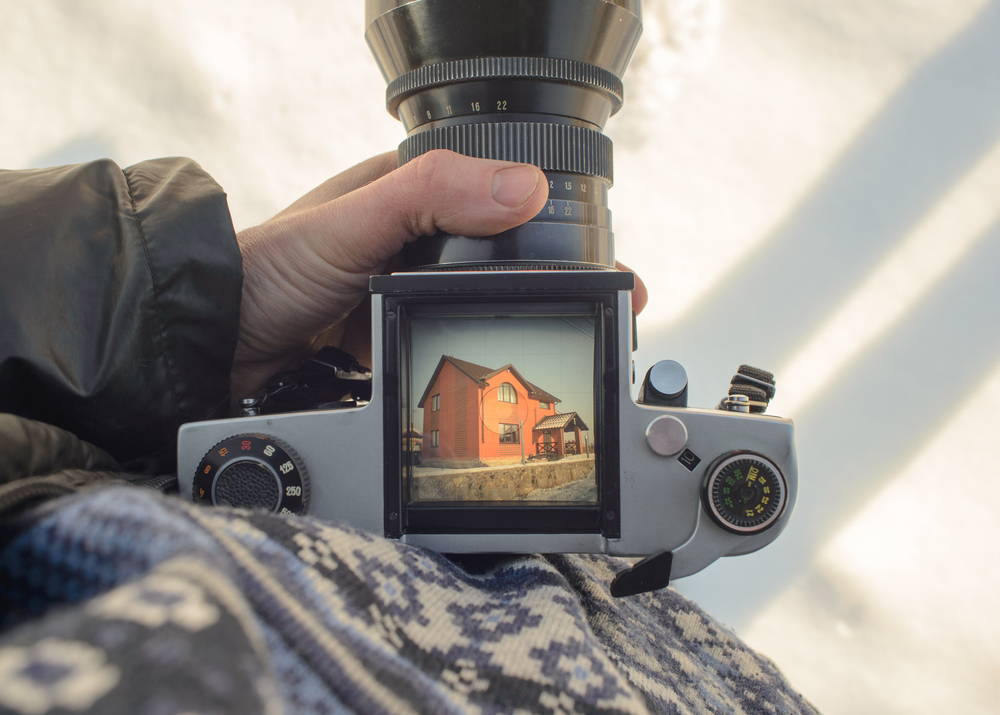
Photography is an art form that requires vision, precision, and technical skill. But for modern professional photographers, especially those working in high-volume industries like real estate, wedding, or commercial photography, the creative work is only part of the equation. Behind every polished final image is a labor-intensive post-production process that can consume hours each day. This is where outsourcing photo editing becomes not just an option but a strategic decision. For photographers looking to scale, streamline workflows, and focus more on capturing images and less on editing them, outsourcing is the key to unlocking growth and efficiency.
Whether you’re a solo photographer managing your own shoots or a growing agency with a team of shooters, the benefits of outsourcing photo editing are substantial. From accessing global talent pools to reducing turnaround time and ensuring consistent quality, outsourced editing solutions offer the freedom and flexibility needed to compete in a fast-paced market.
The Time-Consuming Nature of In-House Photo Editing
Many photographers start by editing their own work. It’s a way to maintain creative control and keep overhead low. However, as the number of clients and projects grow, post-production can become a bottleneck. Retouching, cropping, color correcting, enhancing skies, removing distractions, and delivering multiple versions of the same photo all take valuable time. And when clients expect high-quality results within tight deadlines, editing quickly turns from a creative outlet into a stressful chore.
This is particularly true in the real estate sector, where turnaround time is everything. Real estate agents in places like St. Cloud, MN and Minneapolis need polished images of their listings within 24-48 hours. Trying to meet those deadlines while managing multiple shoots a day can lead to burnout. When you’re editing late into the night just to keep up, it’s hard to grow or even sustain your photography business.
That’s where real estate photo editing services become indispensable. By handing off time-consuming tasks such as virtual staging and HDR enhancement to a professional editing team, photographers can reclaim their schedules and focus on what they do best: capturing beautiful images that sell homes.
Leveraging Outsourcing to Scale Your Photography Business
One of the greatest benefits of outsourcing photo editing is the potential it creates for scaling. When photographers are no longer bogged down by hours of editing, they can book more clients, take on larger projects, and expand their service offerings.
For example, a photographer in Minnesota working primarily in the real estate space might start out shooting 3-4 homes a week. Once editing is outsourced, that same photographer could potentially double or triple their workload without compromising on quality or turnaround time. They can spend more time networking with agents, optimizing their business operations, or investing in advanced gear and training.
Moreover, outsourcing allows for a consistent editing style. With a professional editing partner, you can establish custom presets and workflows that align with your brand aesthetic. This is especially useful when managing multiple photographers under one brand. A uniform editing style ensures your portfolio looks cohesive, whether the photos were taken by you or a team member.
Another growth opportunity comes through expanding services. Photographers can now offer virtual staging and HDR enhancement as premium add-ons without investing in learning complex editing software or hiring in-house editors. With the right outsourcing partner, you can say yes to more client requests, increasing both your value and your revenue.
Quality Control and Professional Retouching for Competitive Advantage
For photographers working in competitive markets like Minneapolis, image quality can be a major differentiator. Clients are more discerning than ever, and average-looking photos just won’t cut it. That’s why professional photo retouching plays such a crucial role in delivering gallery-worthy results that grab attention.
When you work with a specialized editing service, you’re gaining access to a team trained in the latest retouching techniques, tools, and trends. These experts know how to bring out the best in each photo, whether it’s correcting lens distortion, fine-tuning exposure, or removing unsightly elements that detract from the subject.
Professional retouching also helps photographers expand into new niches. A wedding photographer might begin to offer boudoir sessions or high-end fashion shoots once they know they have an editing team that can handle skin smoothing, background cleanup, and color grading at a professional level. For real estate photographers, access to advanced editing services enables them to deliver magazine-quality images that set their listings apart from the competition.
Working with an editing partner also introduces a second layer of quality control. It’s another set of eyes reviewing your work, identifying areas for improvement, and ensuring every image that leaves your studio meets a high standard. This consistency builds trust with clients and positions your brand as a premium service provider.
Why Real Estate Photographers in Minnesota Are Embracing Outsourcing
Minnesota’s real estate market is thriving, with cities like St. Cloud, MN and Minneapolis seeing steady demand for homes and commercial properties. In this environment, real estate photographers play a vital role in marketing listings. But with volume comes pressure, and editing hundreds of images each week can lead to errors, inconsistencies, and missed deadlines.
To combat this, many photographers in Minnesota are turning to real estate photo editing services to manage the editing workload. These services offer fast turnaround, affordable rates, and a wide range of editing capabilities, from simple sky replacements to complex HDR enhancement workflows.
Outsourcing also makes it easier to adapt to seasonal demand. For instance, during spring and summer months when the real estate market is booming, having access to scalable editing support means photographers can take on extra work without sacrificing quality. During slower months, services can be dialed back to match workload, offering flexibility that in-house teams can’t.
The ability to outsource real estate editing is also crucial for maintaining client satisfaction. Agents need fast, reliable service to keep their listings competitive, and delays in image delivery can cost them leads. By working with an editing partner, photographers ensure that they can meet tight deadlines, even when juggling multiple projects at once.
Finding the Right Outsourcing Partner
Not all editing services are created equal, and choosing the right partner is critical for long-term success. Look for a company that specializes in your area of photography, whether it’s real estate photo editing services or professional photo retouching for portraits. Ask about turnaround times, revision policies, and whether they offer services like virtual staging and HDR enhancement.
It’s also important to test for consistency. Start with a small batch of images and assess how well the editing matches your style. Good outsourcing providers will offer customizable workflows, dedicated editors, and clear communication to ensure your expectations are met.
Some photographers prefer working with freelancers, while others opt for established companies with full editing teams. Freelancers may offer more personalized service, but larger companies often provide greater scalability and reliability, especially during peak seasons.
Another factor to consider is security and confidentiality. Your client photos are sensitive, and a reputable editing partner should follow strict data protection protocols. Look for services that use secure file transfer systems and offer non-disclosure agreements to protect your work.
Conclusion
Outsourcing photo editing is no longer a luxury reserved for high-volume studios. It’s a powerful business strategy that can help photographers of all levels increase their output, improve client satisfaction, and unlock new revenue streams. For real estate professionals in Minnesota, from St. Cloud to Minneapolis, the demand for fast, high-quality imagery makes outsourcing not just convenient but essential.
By delegating time-consuming editing tasks to a trusted partner, photographers can finally break free from the grind and focus on growing their business. Whether it’s through offering new services like virtual staging and HDR enhancement, expanding into new markets, or simply taking on more clients, outsourcing is the secret weapon behind many successful photography businesses.
The key lies in finding a partner who understands your vision, respects your workflow, and delivers the kind of polished, professional results your clients expect. When done right, outsourcing photo editing can transform your business from a one-person operation into a scalable, efficient, and highly profitable venture.
Need Real Estate HDR Outsourcing in St. Cloud, MN?
Welcome to PixNevel, your premier destination for HDR image enhancement and day-to-dusk virtual staging. We specialize in transforming ordinary photos into stunning, high-quality visuals that capture attention and elevate any space. Our expert team uses and coaches advanced HDR techniques to enhance image clarity, color, and detail, making your property or product stand out. Additionally, our day-to-dusk photo editing and virtual staging services create captivating twilight scenes, adding warmth and allure to your listings. Contact us today to learn more about what we can do for you.
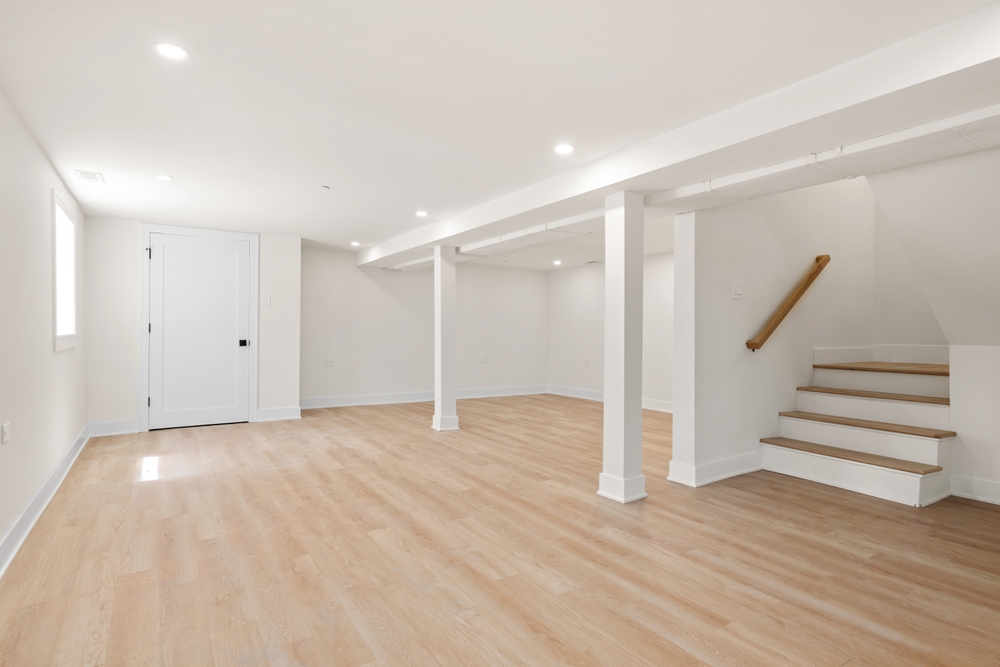
The real estate industry has undergone significant changes over the past few years, driven by advances in technology, shifting consumer behavior, and the increasing importance of visual appeal in marketing properties. One of the most notable trends emerging in the industry is the growing investment by realtors in virtual staging and photo editing. These innovative tools have become essential in enhancing property listings and making homes more attractive to prospective buyers. With more and more real estate professionals embracing virtual staging and photo editing, it’s clear that these services are no longer just a passing trend but rather a strategic investment that can have a substantial impact on the success of property sales.
Changing Real Estate Market Dynamics
The real estate market has changed drastically in recent years, and so have the expectations of buyers. In today’s competitive environment, potential homebuyers often begin their property search online, where visuals are the first thing they notice. According to studies, properties with high-quality photos receive far more attention than those with poorly presented or basic images. As a result, realtors must present properties in the best possible light to capture the attention of potential buyers. While traditional home staging used to be the go-to method to create an inviting and attractive space, it has become a costly and time-consuming process. This shift has led many realtors to turn to virtual staging and photo editing as a more efficient and budget-friendly solution.
Virtual staging, in particular, allows realtors to digitally transform a property by adding furniture, decor, and other elements to photographs of empty or poorly furnished homes. This process enables realtors to create stunning visual representations of a home without the need for physical furniture, which can be expensive and impractical to set up. With photo editing, realtors can enhance images by adjusting lighting, removing distracting elements, and showcasing the property’s best features. The result is a polished and visually appealing listing that is sure to stand out in the crowded real estate market.
Cost Efficiency and Time-Saving Benefits
One of the primary reasons why realtors are investing in virtual staging and photo editing is the cost efficiency and time-saving benefits these services offer. Traditional home staging can be expensive, with costs that include renting furniture, hiring professional stagers, and arranging for the physical setup of the space. In addition to the financial costs, staging a home takes time, and it may require the home to be vacant for a period before staging can occur. This can be especially inconvenient for sellers who want to sell quickly or homeowners who are still living in the property.
On the other hand, virtual staging is a fraction of the cost of traditional staging. Realtors can easily have a property digitally staged within a matter of days, often for a fraction of the price. The process typically involves sending high-quality photographs of the empty or unfurnished space to a virtual staging company, which then adds digital furniture and decor to the images. This not only saves on the cost of renting or purchasing furniture but also eliminates the time and effort required to physically set up and maintain the staging. As a result, realtors can move forward with marketing a property faster and at a significantly lower cost.
Photo editing also offers considerable time and cost savings. Instead of relying on a professional photographer to capture perfect lighting or arranging for multiple shoots to capture different angles, photo editing can enhance an image after the fact. Realtors can take a set of standard photographs and have them edited to highlight the best features of a property, adjusting lighting, colors, and even removing clutter or unwanted elements. This ability to perfect an image digitally means that realtors can present a property in its best light without needing to spend additional time or money on reshoots.
Increased Appeal and Engagement with Buyers
The real estate market is increasingly visual, and consumers are becoming more discerning in terms of what catches their eye when browsing listings. Virtual staging and photo editing enable realtors to present properties in a way that appeals to a wider audience by emphasizing a home’s potential and enhancing its features. Many buyers struggle to envision how an empty or cluttered space can look with furnishings and personal touches, especially when it comes to unique layouts or awkwardly shaped rooms. Virtual staging solves this problem by providing an accurate visual representation of what the home could look like with stylish furniture, art, and decor. This not only helps buyers imagine themselves in the space but also makes the property feel more inviting and “livable,” which increases the chances of attracting serious inquiries.
By digitally showcasing a property’s best attributes, realtors can also highlight features that might otherwise go unnoticed in raw, unedited photos. For example, through photo editing, realtors can enhance natural light, improve the vibrancy of the property’s exterior, and adjust the colors of walls and floors to create a more welcoming atmosphere. These enhancements help elevate the overall visual appeal of the listing and ensure that the property stands out in a sea of online listings. This can lead to higher levels of engagement, more showings, and ultimately, quicker sales.
Furthermore, virtual staging and photo editing enable realtors to cater to different buyer preferences. Depending on the target demographic, different styles and aesthetics can be incorporated into the staging. For example, if the property is aimed at young professionals, the realtor may choose to stage the home with modern, minimalist furniture. If the target market is families, the staging might focus on warm, inviting pieces that suggest comfort and functionality. Virtual staging gives realtors the flexibility to tailor the presentation of the home to match the tastes of potential buyers, increasing the likelihood of finding the right match.
The Competitive Edge in a Crowded Market
In an increasingly competitive real estate market, realtors need to differentiate themselves and their listings to gain an edge over their competition. Virtual staging and photo editing provide a valuable opportunity to stand out from other realtors who may still be relying on traditional methods of showcasing properties. As more buyers turn to online platforms to search for homes, listings that feature high-quality, visually appealing photos are more likely to attract attention. A property with stunning virtual staging or expertly edited images conveys professionalism and attention to detail, which can inspire confidence in both sellers and buyers.
Additionally, in areas where homes are sitting on the market for longer periods or where competition is particularly fierce, virtual staging and photo editing can help give a property a fresh, modern look that resonates with current buyer expectations. Even homes that may not have been selling as quickly or attracting the interest they deserve can benefit from these services, as they can quickly transform the property’s visual appeal and attract a wider range of buyers. In many cases, realtors have reported a noticeable improvement in engagement and inquiries after incorporating virtual staging and photo editing into their listings.
The ability to stand out in a crowded market is critical to a realtor’s success. Virtual staging and photo editing help achieve this by making a property look its best without the need for costly or time-consuming traditional staging. This is especially important for realtors who are looking to maintain a competitive edge while also delivering exceptional results for their clients.
Embracing the Future of Real Estate Marketing
Virtual staging and photo editing are undoubtedly shaping the future of real estate marketing. As technology continues to evolve, these services are becoming increasingly sophisticated, offering even more advanced options for virtual tours, 3D staging, and interactive elements. Realtors who embrace these advancements are positioning themselves for success in an industry that is moving toward more digital, visually driven marketing strategies.
Beyond the immediate benefits of cost savings, time efficiency, and enhanced appeal, virtual staging and photo editing also offer a glimpse into the future of real estate marketing. With the rise of virtual reality, augmented reality, and interactive online experiences, the possibilities for showcasing properties are limitless. Realtors who adopt these technologies early on will be better prepared to meet the demands of a rapidly changing market and continue to attract tech-savvy buyers.
Conclusion
Virtual staging and photo editing have become indispensable tools for realtors looking to make a lasting impression in today’s competitive real estate market. These services offer significant advantages in terms of cost efficiency, time savings, and increased appeal, helping realtors present properties in the best possible light and engage with potential buyers more effectively. As the real estate industry continues to evolve, virtual staging and photo editing are likely to become even more integral to successful marketing strategies. Realtors who embrace these technologies today are investing in a brighter, more profitable future for their business.
Need Real Estate HDR Outsourcing in St. Cloud, MN?
Welcome to PixNevel, your premier destination for HDR image enhancement and day-to-dusk virtual staging. We specialize in transforming ordinary photos into stunning, high-quality visuals that capture attention and elevate any space. Our expert team uses and coaches advanced HDR techniques to enhance image clarity, color, and detail, making your property or product stand out. Additionally, our day-to-dusk photo editing and virtual staging services create captivating twilight scenes, adding warmth and allure to your listings. Contact us today to learn more about what we can do for you.