

What Do Real Estate Agents Actually Expect From Photographers in 2026? (And Do Courses Teach This?)
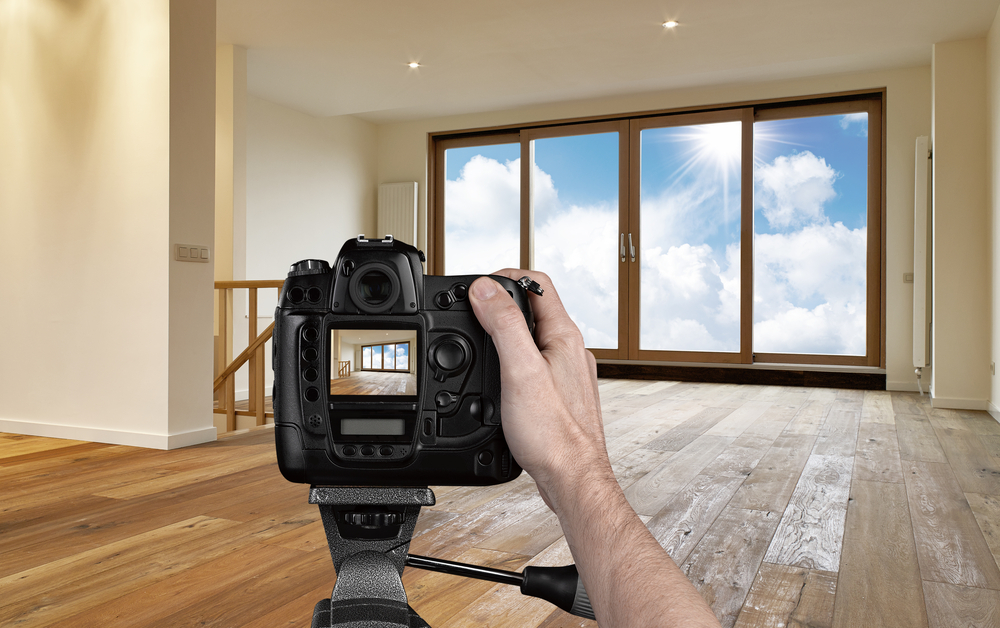
In 2026, the expectations real estate agents have of photographers have become sharper, more demanding, and closely tied to ROI. A real estate photographer is no longer just someone who takes decent pictures of a home. They are expected to be a critical part of the property marketing strategy. This shift reflects both an increasingly competitive housing market and the broader professionalization of the real estate photography industry.
Agents are looking for photographers who understand the nuances of real estate sales, not just lighting and lenses. Meanwhile, aspiring photographers are turning to a real estate photography course or real estate photography training in hopes of learning these skills. But do these courses truly prepare professionals for what real estate agents actually expect? Let’s dig into how agent demands are evolving, and whether modern education is keeping pace.
Turnaround Time, Quality, and Listing-Ready Expectations
Speed is non-negotiable. Real estate agents in 2026 expect a swift turnaround time for real estate photos. Many photographers are now delivering final images within 24 hours, and anything beyond 48 hours can be a dealbreaker for listings in hot markets. Agents want listing-ready photos that can go live immediately, without requiring back-and-forth over image quality or edits.
Agents expect these photos to not only meet but exceed MLS photo requirements. This means no dark rooms, no weird angles, no over-processing, and definitely no distracting items left in the frame. They want images that sell the dream of the property without misleading buyers. That balance of accuracy and appeal is difficult to master, but it is at the heart of what real estate agents expect from photographers today.
Photographers must also grasp professional real estate photography skills like bracketing, natural lighting balance, and proper vertical alignment. Real estate photography editing standards have risen too. Most agents now expect sky replacements, window pulls, and object removal to be done seamlessly as part of the standard package. Any real estate photography business that cannot meet these standards risks falling behind.
Pricing Expectations and Market Realities
Real estate photography pricing expectations are often a point of contention. Agents want high quality at a competitive price, and they have access to a wide pool of freelancers, companies, and even AI-generated solutions. This market pressure has forced photographers to price competitively, yet still offer value that automation cannot replicate.
In 2026, pricing is not just about dollars per shoot, but about perceived value per listing. Agents are asking: does this photographer help sell my listings faster? Do they make my marketing look better than my competitors’? Can I justify their rate based on the quality and professionalism of their service?
Photographers who offer bundled services such as video walkthroughs, drone photography, virtual staging, or twilight images are seen as more valuable. However, with those offerings comes the pressure to be consistent, on time, and polished in every shoot. Real estate photography training must help students understand these pricing dynamics and how to structure service tiers that appeal to modern agents.
Soft Skills: Communication and Collaboration
One of the most underrated aspects of real estate photography is knowing how to work with real estate agents. Technical skills are important, but so is the ability to collaborate with professionals who are juggling multiple listings, clients, and deadlines. Agents in 2026 are looking for photographers who are reliable, communicative, and flexible.
Photographers must know how to handle last-minute reschedules, homes that are not fully prepped, and changes in photo requirements. They should also be comfortable guiding agents and homeowners through best practices for photo day. A real estate photographer workflow should include clear communication from booking to delivery, with built-in touchpoints to set expectations and provide status updates.
Modern real estate photography online courses are starting to incorporate soft skill development, but not all do. The best ones simulate real-world scenarios, such as working with a difficult client or negotiating a reshoot after a rainstorm. These business realities are just as important as mastering a camera.
Understanding MLS, Branding, and Marketing Impact
Photographers must understand the bigger picture: how their images are used in listings, social media, ads, and agent branding. MLS photo requirements are just the beginning. In 2026, many agents customize their image sets based on platform, audience, and listing tier. They might want vertical images for Instagram Stories, landscape shots for the MLS, and polished HDR composites for a high-end brochure.
Photographers who deliver images formatted for multi-channel use, or who understand branding consistency, are in high demand. Agents expect their photographers to capture the property in a way that aligns with their own personal brand and reputation. This means consistent lighting, mood, color balance, and framing that match their existing portfolio.
Any comprehensive real estate photography course must go beyond technical and editing training. It should teach students how to evaluate the needs of a particular agent or brokerage, how to brand their photography services accordingly, and how to contribute to a larger marketing narrative.
Are Courses Keeping Up With Expectations?
This is where things get complicated. Many real estate photography training programs still focus primarily on the fundamentals: camera settings, lighting, composition, and basic editing. These are crucial, but they are no longer enough. Without understanding the client-facing side of the business, students leave these courses underprepared.
A truly useful real estate photography online course in 2026 should include modules on the photographer-agent relationship, how to work with real estate agents effectively, how to manage client expectations, and how to build a repeat business through referrals. It should also cover pricing strategy, business workflow optimization, and compliance with ever-changing MLS standards.
Some newer courses are doing this, often taught by working professionals who have built successful real estate photography businesses. These courses walk through everything from first client contact to final delivery and follow-up. However, students need to be discerning when choosing training. Not all programs are created equal, and outdated courses can leave them missing critical professional context.
The best real estate photography business training programs now mirror actual job realities. They offer insights into turnaround time management, real estate photography editing standards, and how to streamline post-production using AI-assisted tools while still delivering a human-quality product. They often include real case studies, business templates, and workflow systems.
Conclusion
The gap between what real estate agents expect from photographers and what many courses actually teach is narrowing, but it still exists. In 2026, agents are hiring photographers who are fast, skilled, communicative, and business-savvy. They are not just paying for photos. They are investing in a partner who helps their listings perform.
To meet these demands, photographers must master not just the art of capturing a property but also the business and human sides of the industry. Listing-ready photos, quick turnaround time for real estate photos, and high real estate photography editing standards are all part of the package. But so is understanding what real estate photography pricing expectations look like and how to work with real estate agents under pressure.
Photographers who want to thrive in this space should invest in a real estate photography course that teaches more than just gear and composition. They should look for real estate photography business training that prepares them for real-world success: how to build relationships, communicate value, and deliver consistent, impactful results.
The future of professional real estate photography lies not only in beautiful images but in reliable, responsive service that agents can count on. Courses that embrace this holistic approach will shape the next generation of industry leaders.
Need Real Estate HDR Outsourcing in St. Cloud, MN?
Welcome to PixNevel, your premier destination for HDR image enhancement and day-to-dusk virtual staging. We specialize in transforming ordinary photos into stunning, high-quality visuals that capture attention and elevate any space. Our expert team uses and coaches advanced HDR techniques to enhance image clarity, color, and detail, making your property or product stand out. Additionally, our day-to-dusk photo editing and virtual staging services create captivating twilight scenes, adding warmth and allure to your listings. Contact us today to learn more about what we can do for you.