

AI in Real Estate Photography: Why Technology Supports Photographers, but Can’t Replace Them
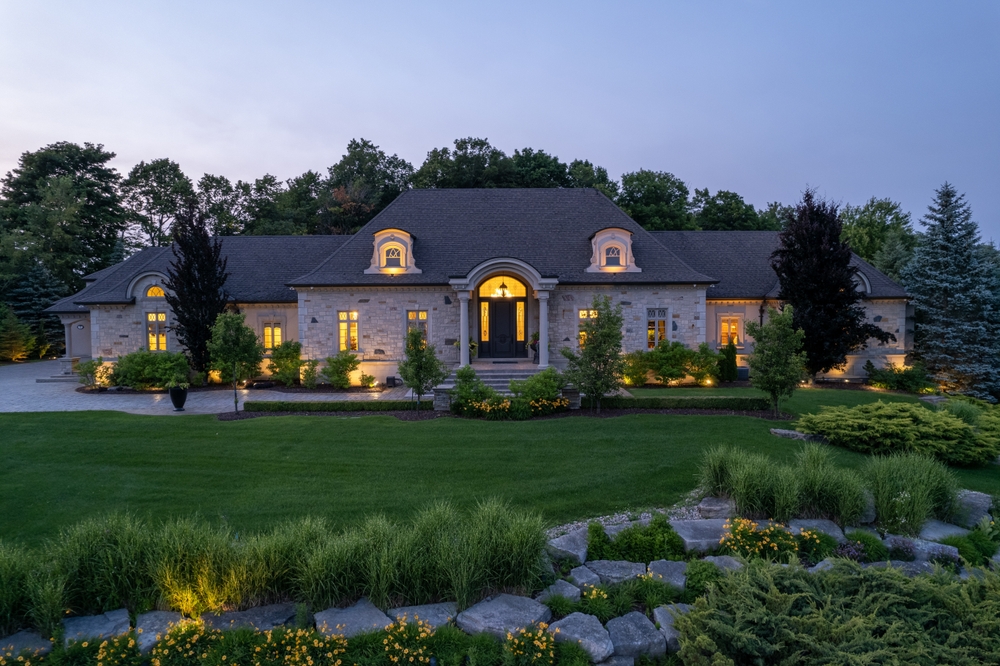
The real estate industry has seen rapid technological shifts over the past decade, and one of the most prominent is the integration of artificial intelligence into the visual presentation of properties. The concept of AI in real estate photography includes everything from automated photo editing to virtual staging and property image enhancement using machine learning algorithms. With real estate listings more competitive than ever, the ability to produce captivating images quickly has become crucial.
Despite the increasing reliance on AI tools, there’s a misconception that these technologies might replace professional photographers. This couldn’t be further from the truth. Instead, what we’re witnessing is a new hybrid model where real estate photography and AI complement one another. AI serves as a powerful assistant that streamlines tedious processes, enhances image quality, and allows photographers to focus more on the creative and interpersonal aspects of their work. Technology, no matter how advanced, lacks the intuition, artistry, and ethical discernment that human photographers bring to the table.
Real Estate Photo Editing vs AI: Augmenting Creativity
Photo editing is where AI has made the most visible impact. Traditional editing techniques for real estate photos often involve meticulous processes such as adjusting brightness, correcting white balance, removing lens distortion, and blending exposures for HDR real estate photo editing. These steps are time-consuming but critical for making properties look their best while remaining truthful to their actual appearance.
AI software now automates many of these editing tasks. Algorithms can assess lighting, detect objects, and apply enhancements within seconds. They can even remove unwanted items from photos or replace gray skies with more appealing blue ones. However, the human touch still matters immensely. When comparing real estate photo editing vs AI, the latter lacks context awareness. For example, an AI might brighten an image to the point of misrepresenting room ambiance or inadvertently alter architectural features that give a property its character.
Moreover, photographers often consider client expectations, marketing goals, and stylistic preferences that AI cannot interpret. Human editors understand the subtle nuances of a neighborhood’s character and how to reflect that in images. Therefore, AI works best not as a standalone solution but as part of a well-rounded real estate photography workflow that integrates human creativity and judgment.
Ethics and Compliance: Navigating MLS Photo Rules
Photographers in the real estate sector are bound by strict MLS photo rules. The Multiple Listing Service (MLS) sets standards that ensure fairness, accuracy, and compliance across all property listings. These rules often prohibit over-editing, deceptive staging, or any digital alteration that misleads potential buyers. AI tools, while powerful, do not inherently understand these boundaries. Without proper oversight, automated enhancements can violate these rules, putting agents and photographers at risk.
Ethical real estate photography demands responsibility and discernment. AI-generated enhancements must be used carefully to avoid misleading representations. For instance, using AI to digitally remove a power line or add grass to a dirt lot could breach ethical standards and MLS policies. A professional photographer understands where the line lies and ensures compliance while still producing high-quality visuals.
Human oversight is essential to maintain ethical standards. This extends beyond MLS compliance and into broader ethical considerations such as accurately portraying a home’s features, maintaining privacy, and respecting the property owner’s intent. AI lacks this moral compass. That’s why the continued presence of experienced, ethical photographers is not just important but necessary in today’s tech-augmented real estate market.
Understanding the Full Real Estate Photography Workflow
The typical real estate photography workflow involves much more than just snapping photos and editing them. It begins with client consultations, scheduling, and property preparation. On-site, the photographer evaluates lighting conditions, angles, and unique property features. These decisions are not formulaic and require a trained eye to determine what will resonate with prospective buyers.
After the shoot, images go through an editing and delivery phase, which is where AI tools often come into play. They help expedite post-processing tasks, such as exposure blending for HDR real estate photo editing or automating sky replacements. These functions reduce turnaround time and increase productivity, allowing photographers to serve more clients efficiently.
However, workflow efficiency doesn’t mean artistic sacrifice. AI can’t scout the ideal time of day for a shoot based on weather patterns or anticipate how shadows will play on hardwood floors at sunset. It also doesn’t engage with homeowners to make them feel at ease or stage spaces for emotional appeal. Real estate photography and AI work best in tandem when AI handles repetitive tasks, and humans bring vision and emotional intelligence to the process.
Why AI Can’t Replace the Human Eye
While AI can produce technically perfect images, it cannot replicate the emotional and psychological elements of a well-composed photo. Buyers often make decisions based on how a property feels, not just how it looks. A seasoned photographer knows how to evoke that feeling through thoughtful composition, understanding what makes each home unique and how to highlight those features effectively.
AI lacks context. It doesn’t know whether the vintage tile in a bathroom is a selling point or an eyesore. It doesn’t understand that a home’s cozy reading nook might be the feature that seals the deal for a buyer. A photographer does. The ability to tell a story through photos is something only humans can do well. Photographers don’t just capture spaces; they communicate lifestyle and potential, which is far beyond the capabilities of AI.
Additionally, real estate is inherently a people business. Agents, sellers, and buyers rely on interpersonal connections. Photographers who understand local markets, cultural tastes, and buyer psychology can create imagery tailored to those insights. AI can mimic some of the aesthetics, but not the instinctive understanding that drives compelling, conversion-focused photography.
Conclusion
AI in real estate photography has revolutionized the way professionals manage time, process images, and deliver visual content. It enhances productivity and can dramatically improve the consistency of edits. However, technology is a supplement, not a substitute. Real estate photography and AI thrive when used in tandem, with human creativity guiding the machine’s efficiency.
Photographers remain indispensable for their artistic insight, ethical accountability, and ability to interpret each property’s unique character. They navigate complex MLS photo rules, create emotionally resonant imagery, and offer the human touch that technology can’t imitate. As AI tools continue to evolve, they will serve to empower photographers further, not replace them. The future of real estate photography lies not in choosing between human and machine, but in embracing the strengths of both to craft powerful, honest, and inspiring property visuals.
Need Real Estate HDR Outsourcing in St. Cloud, MN?
Welcome to PixNevel, your premier destination for HDR image enhancement and day-to-dusk virtual staging. We specialize in transforming ordinary photos into stunning, high-quality visuals that capture attention and elevate any space. Our expert team uses and coaches advanced HDR techniques to enhance image clarity, color, and detail, making your property or product stand out. Additionally, our day-to-dusk photo editing and virtual staging services create captivating twilight scenes, adding warmth and allure to your listings. Contact us today to learn more about what we can do for you.