

Real Estate Photography Capital Expenses: How to Structure Your Business for Maximum Tax Deductions in Minnesota
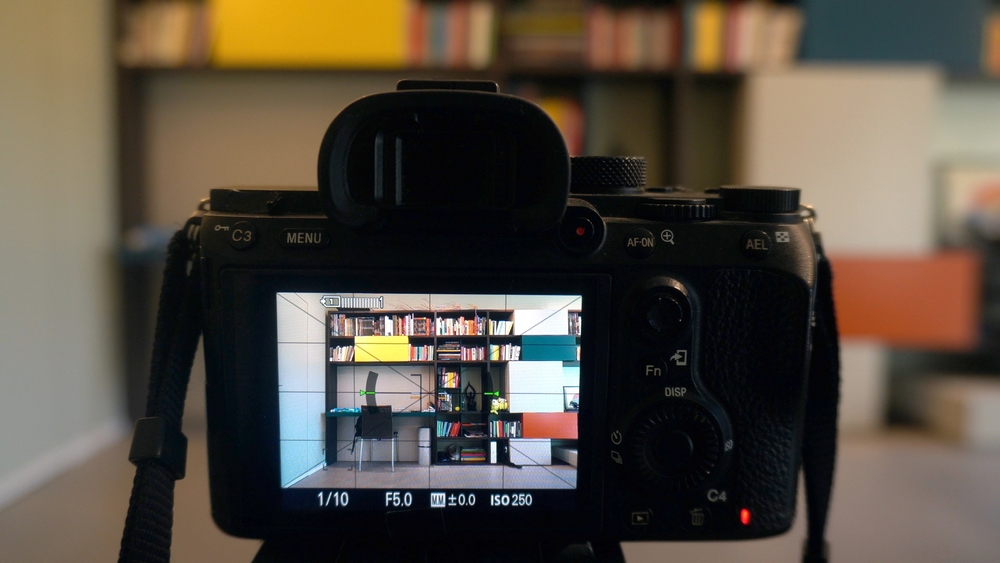
Starting and scaling a real estate photography business in Minnesota comes with exciting income potential, but it also comes with significant upfront costs. Camera bodies, lenses, drones, lighting gear, editing software, and vehicles all add up fast. The good news is that the IRS and Minnesota Department of Revenue allow self-employed photographers to deduct many of these capital expenses, sometimes in full during the year of purchase. Understanding how to structure your business to capture every available deduction is one of the most powerful steps you can take toward building a six-figure photography income.
Whether you are just launching your business or already booking clients consistently, getting serious about tax planning for photographers will protect your profits and accelerate your growth far more than simply chasing more bookings ever could.
Choosing the Right Business Structure Before You Spend a Dollar
Before you invest in gear or enroll in real estate photography classes, your first priority should be deciding how your business is legally structured. Sole proprietorships are the simplest starting point, but they offer the least protection and flexibility when it comes to deductions and liability. Many Minnesota real estate photographers find that forming a single-member LLC taxed as an S-Corporation is a smarter long-term move.
Why does this matter for taxes? Because the structure you choose determines how you pay yourself, how your profits are classified, and which deductions are available to you. An S-Corp structure, for example, allows you to split your income between a reasonable salary and distributions, which can reduce your self-employment tax burden meaningfully. That savings alone can translate into thousands of dollars each year that stay in your pocket rather than going to the IRS.
Photography business coaching that focuses on the business and legal side of running a creative company will help you understand these distinctions early. Many photographers spend years operating as sole proprietors without realizing they are leaving significant tax advantages on the table simply because they never set up the right foundation.
Understanding Section 179 and Bonus Depreciation for Photographers
Capital expenses are the big purchases that support your photography business long term: cameras, computers, drones, vehicles, and studio equipment. Traditionally, the IRS required businesses to depreciate these assets over several years rather than deducting the full cost immediately. However, two major provisions change the game for real estate photographers.
Section 179 of the IRS tax code allows small business owners to deduct the full purchase price of qualifying equipment in the year it is placed into service, rather than depreciating it over time. For 2024, the Section 179 deduction limit was $1,220,000, which is more than enough to cover an entire photography equipment buildout. Bonus depreciation, a separate provision, has historically allowed businesses to deduct a large percentage of new and used asset costs in year one as well.
For Minnesota real estate photographers, this means that a $15,000 camera kit, a $3,000 drone, a $5,000 editing workstation, and even a portion of a vehicle used for business driving can all potentially be written off in the same tax year. Understanding how to time your purchases strategically is a core piece of tax planning for photographers who want to reduce their taxable income while reinvesting in their business.
It is worth noting that Minnesota does not always conform to federal depreciation rules, so working with a CPA who understands both federal and Minnesota state tax law is essential. Some federal bonus depreciation benefits require adjustments on your state return, and missing that detail can cost you at a state level even when you have optimized federally.
Building Photography Business Frameworks That Support Deductibility
One of the most overlooked aspects of tax strategy for creative professionals is documentation. Even if every expense you claim is 100 percent legitimate, poor recordkeeping can cause those deductions to be disallowed during an audit. Building solid photography business frameworks from the start means creating systems that track income, expenses, mileage, and business purpose for every purchase you make.
Start with a dedicated business bank account and credit card used exclusively for business transactions. This separation makes bookkeeping dramatically cleaner and gives you a clear paper trail if you are ever questioned. Use accounting software to categorize expenses in real time rather than scrambling at tax season.
For vehicle expenses, which are common in real estate photography since you are constantly traveling to properties, you have two options: the actual expense method or the standard mileage rate. Tracking your mileage with an app every time you drive to a shoot, a client meeting, or a real estate photography class is simple and can add up to a substantial deduction by year end.
Real estate photography classes and continuing education are also deductible when they are directly related to maintaining or improving skills in your current profession. This includes online courses, in-person workshops, photography business coaching programs, and even industry conferences. If you are traveling to attend an educational event, a portion of those travel expenses may be deductible as well.
Marketing, Software, and Home Office Deductions in Minnesota
Running a real estate photography business in the digital age means spending regularly on software subscriptions, website hosting, online advertising, and client management tools. All of these expenses are generally deductible as ordinary and necessary business costs. Adobe Creative Cloud, virtual tour software, CRM platforms, scheduling tools, and even your professional website domain and hosting fees can all reduce your taxable income dollar for dollar.
If you edit photos and manage your business from a dedicated home office space in Minnesota, you may qualify for the home office deduction. The IRS requires that the space be used regularly and exclusively for business, so a corner of your bedroom that doubles as a guest room does not qualify. However, a dedicated editing room or home studio that is used only for business purposes can allow you to deduct a proportional share of your mortgage or rent, utilities, and even internet costs.
For photographers working toward a six-figure photography income, these smaller recurring deductions accumulate into thousands of dollars of tax savings annually. Treating your business with the same financial discipline you would apply to any other professional service firm will separate you from the photographers who constantly feel like they are working hard but never getting ahead financially.
Working With a CPA and Investing in Photography Business Coaching
Tax strategy is not a once-a-year conversation you have when filing your return. It is an ongoing process that should be reviewed quarterly at minimum. Minnesota photographers who are serious about scaling their income need a CPA who specializes in working with creative professionals or small business owners. General tax preparers often miss industry-specific deductions and may not be familiar with the nuances of depreciation strategy, home office rules, or the tax implications of switching from a sole proprietorship to an S-Corp mid-year.
Pairing a strong CPA with the right photography business coaching accelerates results significantly. A business coach who understands photography business frameworks can help you price your services correctly, build scalable workflows, and create the financial systems that make tax planning straightforward. Many successful real estate photographers credit structured coaching programs as the turning point that helped them cross into consistent six-figure territory.
Investing in real estate photography classes that cover both technical skills and business strategy is equally important. The photographers who rise to the top of their market are not just technically excellent; they understand their numbers, price for profit, and build businesses that support their lifestyle rather than consume it.
Conclusion
Structuring your Minnesota real estate photography business for maximum tax deductions is not about finding loopholes. It is about understanding the rules and using them fully. From choosing the right legal entity to leveraging Section 179 deductions, tracking mileage, and deducting education and coaching investments, every strategic decision compounds over time. Build your business on strong photography business frameworks, work with professionals who understand your industry, and treat tax planning for photographers as a year-round priority. The financial foundation you build today is what makes a six-figure photography income not just possible, but sustainable.
Need Real Estate HDR Outsourcing in St. Cloud, MN?
Welcome to PixNevel, your premier destination for HDR image enhancement and day-to-dusk virtual staging. We specialize in transforming ordinary photos into stunning, high-quality visuals that capture attention and elevate any space. Our expert team uses and coaches advanced HDR techniques to enhance image clarity, color, and detail, making your property or product stand out. Additionally, our day-to-dusk photo editing and virtual staging services create captivating twilight scenes, adding warmth and allure to your listings. Contact us today to learn more about what we can do for you.