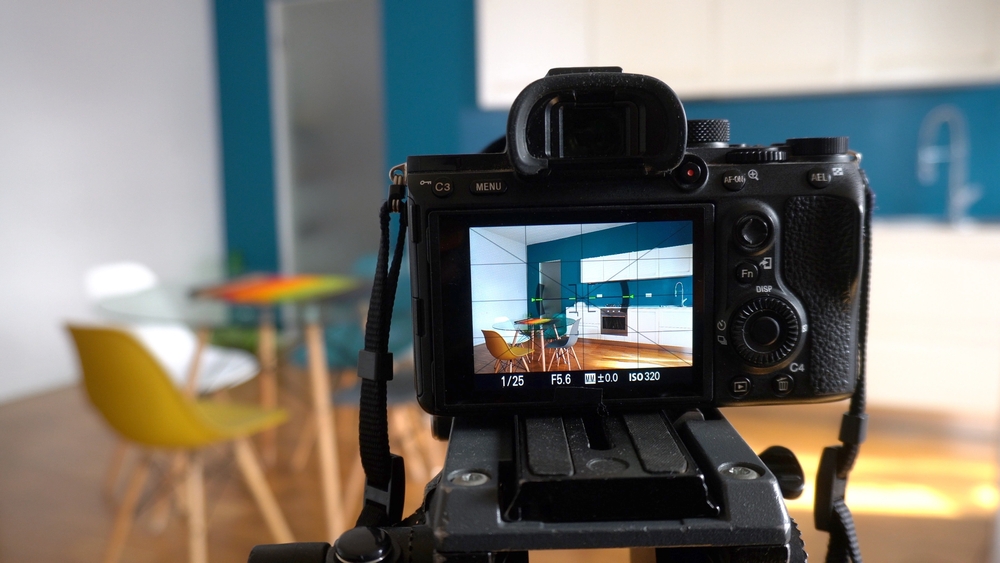
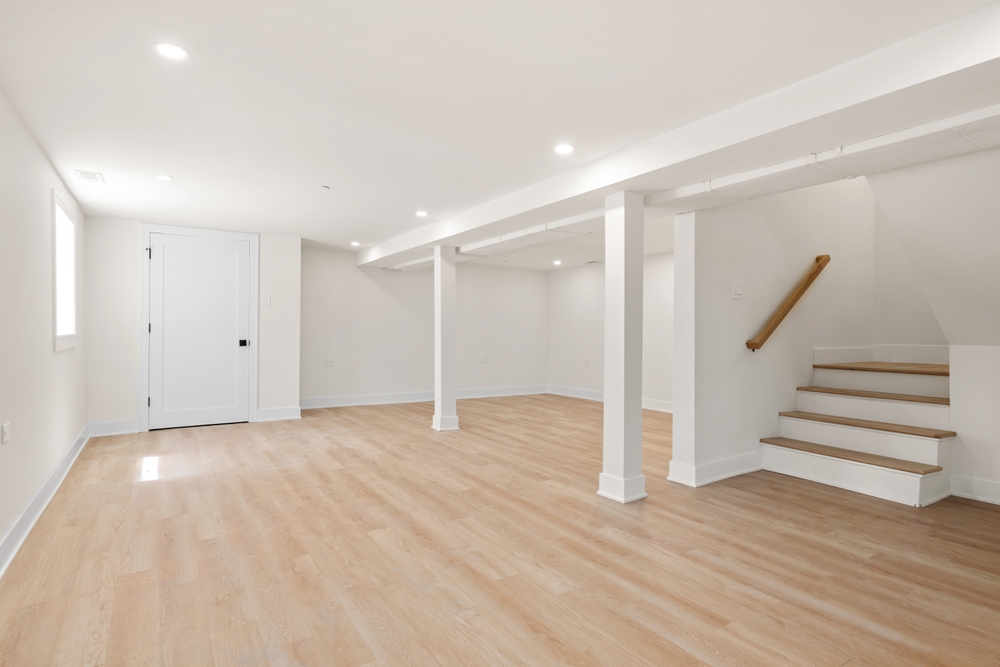
These days, photographs are an essential part of our personal and professional lives. Whether you’re a photographer looking to enhance your portfolio, a business owner needing high-quality images for your products, or an individual simply wanting to capture and preserve memories, the quality of your photos matters. However, not everyone has the time, skill, or software to edit images to their full potential. That’s where photo editing services come into play. With countless options available, finding the right service can be overwhelming. To make this decision easier, it’s essential to consider several factors when selecting a photo editing service.
Understanding the Importance of Quality Photo Editing
Before diving into how to choose the best photo editing service, it’s crucial to understand why quality photo editing matters. At its core, photo editing helps elevate the aesthetic appeal of an image. In professional photography, whether it’s for weddings, events, fashion, or commercial shoots, editing helps remove distractions, correct lighting, adjust color balance, and even create artistic effects that enhance the overall story the image tells. For businesses, high-quality product photos can make a significant difference in sales. Well-edited images boost consumer trust and make the product appear more professional. Whether it’s correcting minor imperfections or creating stunning visual masterpieces, a photo’s edit can mean the difference between an image that impresses and one that doesn’t.
Editing also plays a crucial role in personalization. With the right edits, a simple picture can transform into a vibrant, eye-catching representation of one’s style, mood, or theme. In an era where social media platforms thrive on visual content, having your photos stand out can help build your online presence and reputation. However, without the proper editing skills, a photo might not live up to its potential. This is why turning to professional editing services becomes essential for those who want their images to shine.
Identifying Your Editing Needs
The first step in choosing the best photo editing service is to identify what exactly you need. Not all photo editing services are created equal, and different services offer a range of expertise, from basic adjustments to advanced editing. If you’re simply looking to touch up some personal photos by adjusting brightness, contrast, and color, a more general service might be suitable. However, if you need high-end retouching, background removal, or more complex creative edits, you may want a service that specializes in advanced photo manipulation.
Different editing needs will also dictate the level of expertise required from the editing team. For example, portrait editing requires a different set of skills than commercial product photography. If you’re a wedding photographer who needs to ensure that every image has flawless lighting, skin tones, and color saturation, you’ll want to look for a service with experience in this area. Similarly, if you’re a business needing product shots that highlight your products in the best possible light, you should prioritize services that focus on product photography and can showcase your products in the most appealing way.
Moreover, some services specialize in specific areas like real estate, fashion, or food photography, while others provide a more generalized editing package. Understanding the specifics of your needs will help you narrow down the best fit. Taking the time to articulate the services you require will also ensure you don’t overpay for unnecessary services or underinvest in crucial editing work.
Reviewing Service Reputation and Portfolio
Once you’ve identified the type of editing you need, the next step is to research the reputation of different photo editing services. A reliable service provider should have a solid reputation for delivering high-quality work consistently. One of the best ways to gauge a company’s reputation is to check their portfolio. Most professional editing services showcase their previous work, and reviewing their portfolio can give you an idea of their style, skill level, and the quality of edits they perform.
It’s also worth reading online reviews and testimonials. Feedback from other customers can provide insights into the company’s reliability, customer service, and turnaround time. If the service has worked with clients similar to you, this could be an added bonus. For example, if you are a photographer looking to enhance your portrait work, finding a service that has experience with portraiture would be advantageous. By looking through reviews, you can also spot any recurring issues that might arise with the service, such as missed deadlines, poor communication, or subpar edits. The more satisfied customers a service has, the more likely they are to provide the quality you’re seeking.
Additionally, consider any awards or recognitions the service has received within the industry. These can act as a credible indicator of their expertise and success. In the highly competitive world of photo editing, a service that has garnered industry recognition is likely to have the knowledge and skill to produce results that meet high standards.
Evaluating Turnaround Time and Pricing
Time is often of the essence when it comes to photo editing, especially if you’re working on a tight deadline or need the edits for an upcoming event or promotion. It’s essential to choose a service that can meet your timeline without compromising quality. Be sure to check the average turnaround time for the service, as well as any rush options available for urgent needs. Some services may provide expedited editing for an additional fee, which could be a lifesaver if you’re in a pinch.
However, speed should not come at the cost of quality. The best photo editing services strike a balance between fast turnaround times and high-quality work. In the case of a quick turnaround, ensure that the service employs a team capable of maintaining high standards without sacrificing attention to detail.
Equally important is the cost of the editing services. While it might be tempting to opt for the cheapest option available, remember that photo editing is a specialized skill, and higher-quality services often come with a higher price tag. Instead of simply opting for the lowest-priced service, look for one that offers good value for money. You should consider what’s included in the price, whether it’s a one-time fee or an ongoing package, and whether the quality of the service justifies the cost.
Some photo editing services may charge per image, while others may offer a bulk rate if you’re editing multiple photos. If you’re working on a series of images or need ongoing edits, it might be worth looking into packages or subscription-based services that can save you money in the long run. Always make sure to get a detailed breakdown of the pricing to avoid any surprises down the line.
Communication and Customer Support
Effective communication is one of the most important factors in choosing a photo editing service. The best service providers will make an effort to understand your specific needs, listen to your feedback, and make revisions where necessary. Whether you’re a photographer working with a tight deadline or an individual simply looking to improve your personal photos, clear communication is essential to ensuring that the final product meets your expectations.
Choose a service that offers responsive customer support and is easy to reach in case of any questions or issues that arise. Services with a dedicated account manager or project lead can make the entire editing process smoother by serving as a liaison between you and the editing team. Additionally, some services offer a collaborative platform where you can track the progress of your edits, review drafts, and provide feedback. This level of transparency ensures that the final product aligns with your vision and can reduce the number of revisions needed.
If the editing service you’re considering does not respond to your inquiries in a timely manner or seems disorganized, this may be a red flag. Good customer support and consistent communication ensure that you are not left in the dark during the editing process and that any potential issues are addressed quickly and professionally.
Conclusion
Choosing the best photo editing service for your photos requires careful consideration of your specific needs, the service’s reputation, their pricing structure, and their communication effectiveness. Whether you need basic touch-ups, advanced retouching, or specialized editing for specific types of photography, it’s crucial to work with a service that aligns with your expectations and can deliver high-quality results. Taking the time to evaluate your options carefully will ensure that your photos are enhanced to their fullest potential, helping you make the best impression in both personal and professional settings.
Need Real Estate HDR Outsourcing in St. Cloud, MN?
Welcome to PixNevel, your premier destination for HDR image enhancement and day-to-dusk virtual staging. We specialize in transforming ordinary photos into stunning, high-quality visuals that capture attention and elevate any space. Our expert team uses and coaches advanced HDR techniques to enhance image clarity, color, and detail, making your property or product stand out. Additionally, our day-to-dusk photo editing and virtual staging services create captivating twilight scenes, adding warmth and allure to your listings. Contact us today to learn more about what we can do for you.
The real estate industry has undergone significant changes over the past few years, driven by advances in technology, shifting consumer behavior, and the increasing importance of visual appeal in marketing properties. One of the most notable trends emerging in the industry is the growing investment by realtors in virtual staging and photo editing. These innovative tools have become essential in enhancing property listings and making homes more attractive to prospective buyers. With more and more real estate professionals embracing virtual staging and photo editing, it’s clear that these services are no longer just a passing trend but rather a strategic investment that can have a substantial impact on the success of property sales.
Changing Real Estate Market Dynamics
The real estate market has changed drastically in recent years, and so have the expectations of buyers. In today’s competitive environment, potential homebuyers often begin their property search online, where visuals are the first thing they notice. According to studies, properties with high-quality photos receive far more attention than those with poorly presented or basic images. As a result, realtors must present properties in the best possible light to capture the attention of potential buyers. While traditional home staging used to be the go-to method to create an inviting and attractive space, it has become a costly and time-consuming process. This shift has led many realtors to turn to virtual staging and photo editing as a more efficient and budget-friendly solution.
Virtual staging, in particular, allows realtors to digitally transform a property by adding furniture, decor, and other elements to photographs of empty or poorly furnished homes. This process enables realtors to create stunning visual representations of a home without the need for physical furniture, which can be expensive and impractical to set up. With photo editing, realtors can enhance images by adjusting lighting, removing distracting elements, and showcasing the property’s best features. The result is a polished and visually appealing listing that is sure to stand out in the crowded real estate market.
Cost Efficiency and Time-Saving Benefits
One of the primary reasons why realtors are investing in virtual staging and photo editing is the cost efficiency and time-saving benefits these services offer. Traditional home staging can be expensive, with costs that include renting furniture, hiring professional stagers, and arranging for the physical setup of the space. In addition to the financial costs, staging a home takes time, and it may require the home to be vacant for a period before staging can occur. This can be especially inconvenient for sellers who want to sell quickly or homeowners who are still living in the property.
On the other hand, virtual staging is a fraction of the cost of traditional staging. Realtors can easily have a property digitally staged within a matter of days, often for a fraction of the price. The process typically involves sending high-quality photographs of the empty or unfurnished space to a virtual staging company, which then adds digital furniture and decor to the images. This not only saves on the cost of renting or purchasing furniture but also eliminates the time and effort required to physically set up and maintain the staging. As a result, realtors can move forward with marketing a property faster and at a significantly lower cost.
Photo editing also offers considerable time and cost savings. Instead of relying on a professional photographer to capture perfect lighting or arranging for multiple shoots to capture different angles, photo editing can enhance an image after the fact. Realtors can take a set of standard photographs and have them edited to highlight the best features of a property, adjusting lighting, colors, and even removing clutter or unwanted elements. This ability to perfect an image digitally means that realtors can present a property in its best light without needing to spend additional time or money on reshoots.
Increased Appeal and Engagement with Buyers
The real estate market is increasingly visual, and consumers are becoming more discerning in terms of what catches their eye when browsing listings. Virtual staging and photo editing enable realtors to present properties in a way that appeals to a wider audience by emphasizing a home’s potential and enhancing its features. Many buyers struggle to envision how an empty or cluttered space can look with furnishings and personal touches, especially when it comes to unique layouts or awkwardly shaped rooms. Virtual staging solves this problem by providing an accurate visual representation of what the home could look like with stylish furniture, art, and decor. This not only helps buyers imagine themselves in the space but also makes the property feel more inviting and “livable,” which increases the chances of attracting serious inquiries.
By digitally showcasing a property’s best attributes, realtors can also highlight features that might otherwise go unnoticed in raw, unedited photos. For example, through photo editing, realtors can enhance natural light, improve the vibrancy of the property’s exterior, and adjust the colors of walls and floors to create a more welcoming atmosphere. These enhancements help elevate the overall visual appeal of the listing and ensure that the property stands out in a sea of online listings. This can lead to higher levels of engagement, more showings, and ultimately, quicker sales.
Furthermore, virtual staging and photo editing enable realtors to cater to different buyer preferences. Depending on the target demographic, different styles and aesthetics can be incorporated into the staging. For example, if the property is aimed at young professionals, the realtor may choose to stage the home with modern, minimalist furniture. If the target market is families, the staging might focus on warm, inviting pieces that suggest comfort and functionality. Virtual staging gives realtors the flexibility to tailor the presentation of the home to match the tastes of potential buyers, increasing the likelihood of finding the right match.
The Competitive Edge in a Crowded Market
In an increasingly competitive real estate market, realtors need to differentiate themselves and their listings to gain an edge over their competition. Virtual staging and photo editing provide a valuable opportunity to stand out from other realtors who may still be relying on traditional methods of showcasing properties. As more buyers turn to online platforms to search for homes, listings that feature high-quality, visually appealing photos are more likely to attract attention. A property with stunning virtual staging or expertly edited images conveys professionalism and attention to detail, which can inspire confidence in both sellers and buyers.
Additionally, in areas where homes are sitting on the market for longer periods or where competition is particularly fierce, virtual staging and photo editing can help give a property a fresh, modern look that resonates with current buyer expectations. Even homes that may not have been selling as quickly or attracting the interest they deserve can benefit from these services, as they can quickly transform the property’s visual appeal and attract a wider range of buyers. In many cases, realtors have reported a noticeable improvement in engagement and inquiries after incorporating virtual staging and photo editing into their listings.
The ability to stand out in a crowded market is critical to a realtor’s success. Virtual staging and photo editing help achieve this by making a property look its best without the need for costly or time-consuming traditional staging. This is especially important for realtors who are looking to maintain a competitive edge while also delivering exceptional results for their clients.
Embracing the Future of Real Estate Marketing
Virtual staging and photo editing are undoubtedly shaping the future of real estate marketing. As technology continues to evolve, these services are becoming increasingly sophisticated, offering even more advanced options for virtual tours, 3D staging, and interactive elements. Realtors who embrace these advancements are positioning themselves for success in an industry that is moving toward more digital, visually driven marketing strategies.
Beyond the immediate benefits of cost savings, time efficiency, and enhanced appeal, virtual staging and photo editing also offer a glimpse into the future of real estate marketing. With the rise of virtual reality, augmented reality, and interactive online experiences, the possibilities for showcasing properties are limitless. Realtors who adopt these technologies early on will be better prepared to meet the demands of a rapidly changing market and continue to attract tech-savvy buyers.
Conclusion
Virtual staging and photo editing have become indispensable tools for realtors looking to make a lasting impression in today’s competitive real estate market. These services offer significant advantages in terms of cost efficiency, time savings, and increased appeal, helping realtors present properties in the best possible light and engage with potential buyers more effectively. As the real estate industry continues to evolve, virtual staging and photo editing are likely to become even more integral to successful marketing strategies. Realtors who embrace these technologies today are investing in a brighter, more profitable future for their business.
Need Real Estate HDR Outsourcing in St. Cloud, MN?
Welcome to PixNevel, your premier destination for HDR image enhancement and day-to-dusk virtual staging. We specialize in transforming ordinary photos into stunning, high-quality visuals that capture attention and elevate any space. Our expert team uses and coaches advanced HDR techniques to enhance image clarity, color, and detail, making your property or product stand out. Additionally, our day-to-dusk photo editing and virtual staging services create captivating twilight scenes, adding warmth and allure to your listings. Contact us today to learn more about what we can do for you.
Becoming a professional photographer is an exciting and rewarding journey that blends creativity, technical skill, and business acumen. Whether you’re passionate about capturing landscapes, portraits, or action-packed moments, photography offers a vast field of opportunities. This guide will walk you through how to get started as a new photographer and turn your passion into a thriving career.
Understanding the Basics of Photography
Before you embark on your journey as a professional photographer, it’s crucial to understand the foundational elements of photography. Mastering these basics will set the stage for your future growth and success.
Learn About Camera Types and Equipment
The first step in learning how to get started as a new photographer is understanding the tools of the trade. Here are the primary types of cameras:
DSLR Cameras: Known for their versatility and professional-quality results.
Mirrorless Cameras: Compact, lightweight, and ideal for a range of photography styles.
Point-and-Shoot Cameras: Easy to use, great for beginners.
In addition to cameras, you’ll need accessories such as lenses, tripods, and lighting equipment. Research and invest in gear that matches your photography goals and budget.
Master the Exposure Triangle
Photography relies on the balance between three elements: aperture, shutter speed, and ISO. This “exposure triangle” is the backbone of capturing well-lit and sharp photos. Practice adjusting these settings to see their effects on your images.
Understand Composition Principles
A well-composed photograph captures the viewer’s attention and conveys a story. Familiarize yourself with principles like the rule of thirds, leading lines, and framing to create visually compelling images.
Building Your Photography Skills
Becoming a professional photographer requires dedication to skill development. Regular practice and experimentation will help you refine your craft.
Take a Photography Course
Enrolling in a photography course is a fantastic way to learn the technical and artistic aspects of photography. Many institutions offer online and in-person classes that cater to beginners.
Practice, Practice, Practice
Hands-on experience is essential. Begin by shooting in different environments, experimenting with various techniques, and challenging yourself to capture unique perspectives.
Learn Post-Processing
Editing plays a significant role in professional photography. Software like Adobe Lightroom and Photoshop can enhance your images and add a polished touch. Spend time learning these tools to improve your editing skills.
Finding Your Photography Niche
Choosing a specialty allows you to hone your skills and establish a unique identity in the industry. Here are a few popular niches to consider:
Portrait Photography
Specializing in portraits involves capturing the essence of individuals or groups. This niche is ideal if you enjoy working closely with people.
Landscape Photography
If you’re passionate about nature and outdoor scenery, landscape photography is a great choice. It often involves traveling and waiting for the perfect lighting conditions.
Event Photography
From weddings to corporate events, this niche requires quick reflexes and an ability to work in dynamic environments.
Commercial Photography
Commercial photographers create images for businesses, such as product photos or marketing campaigns. This field can be highly lucrative.
Explore different niches, and over time, you’ll find the area that resonates most with your interests and skills.
Building Your Portfolio
A strong portfolio is essential for attracting clients and showcasing your work. Follow these steps to create a compelling collection of your best images.
Start with Personal Projects
When you’re just starting out, take on personal projects to build your portfolio. Focus on your chosen niche and experiment with creative ideas.
Collaborate with Others
Team up with models, stylists, and other creatives to create diverse and high-quality images. Collaborative projects can also expand your network within the industry.
Showcase Your Work Online
Create a professional website to display your portfolio. Use platforms like Instagram and Behance to share your work and connect with potential clients.
Starting Your Photography Business
Transitioning from a hobbyist to a professional photographer involves establishing a business foundation. Here’s how to get started as a new photographer in the business world:
Create a Business Plan
A solid business plan outlines your goals, target audience, pricing, and marketing strategies. This roadmap will guide your efforts and help you stay organized.
Register Your Business
Choose a business name and register it with your local authorities. Decide on a legal structure, such as a sole proprietorship or LLC, and obtain any necessary permits.
Set Your Pricing
Research industry standards to determine your pricing. Factor in your expenses, desired profit margin, and the value you provide to clients.
Marketing Yourself as a Photographer
Effective marketing is essential for attracting clients and growing your business. Use these strategies to promote your services:
Leverage Social Media
Platforms like Instagram, Facebook, and Pinterest are powerful tools for photographers. Post regularly, engage with your audience, and use hashtags to increase your visibility.
Network Within the Industry
Attend photography meetups, workshops, and trade shows to connect with other professionals. Building relationships can lead to referrals and collaborations.
Offer Promotions and Discounts
When starting out, offering limited-time discounts or free sessions can help you gain experience and build a client base.
Ask for Reviews and Testimonials
Positive reviews and testimonials are invaluable for establishing credibility. Encourage satisfied clients to share their experiences online.
Continuous Learning and Growth
The photography industry is constantly evolving, and staying competitive requires ongoing learning. Here’s how to keep growing as a professional:
Stay Updated on Trends
Follow industry blogs, attend workshops, and participate in online communities to stay informed about the latest trends and techniques.
Invest in Advanced Equipment
As you progress, consider upgrading your equipment to match your growing skills and meet client demands.
Seek Constructive Criticism
Don’t shy away from feedback. Constructive criticism from peers and mentors can help you identify areas for improvement.
Expand Your Services
Diversify your offerings by exploring new niches or adding services like photo editing, workshops, or print sales.
Overcoming Challenges as a New Photographer
Starting a career in photography comes with challenges. Being prepared to tackle these obstacles will set you up for success.
Managing Finances
Budgeting and tracking expenses are crucial for maintaining profitability. Consider using accounting software to stay organized.
Dealing with Competition
The photography industry is competitive, but focusing on your unique style and niche will help you stand out.
Handling Client Expectations
Clear communication is key to managing client expectations. Provide detailed contracts and maintain professionalism at all times.
Conclusion
Becoming a professional photographer is an enriching journey that combines artistry with entrepreneurship. By understanding the basics, honing your skills, and building a strong business foundation, you can turn your passion for photography into a thriving career. Remember, success in photography doesn’t happen overnight—stay dedicated, keep learning, and enjoy the process of capturing life’s moments.
Now that you know how to get started as a new photographer, it’s time to grab your camera and embark on this exciting adventure!
Need Real Estate HDR Outsourcing in St. Cloud, MN?
Welcome to PixNevel, your premier destination for HDR image enhancement and day-to-dusk virtual staging. We specialize in transforming ordinary photos into stunning, high-quality visuals that capture attention and elevate any space. Our expert team uses and coaches advanced HDR techniques to enhance image clarity, color, and detail, making your property or product stand out. Additionally, our day-to-dusk photo editing and virtual staging services create captivating twilight scenes, adding warmth and allure to your listings. Contact us today to learn more about what we can do for you.
In the real estate market, high-quality visuals are no longer optional—they’re essential. Buyers often make their first impressions based on photos, and properties with eye-catching imagery tend to sell faster and for higher prices. This is where HDR (High Dynamic Range) photography comes into play, offering a method to create vibrant, detailed images that captivate potential buyers. In this guide, we’ll explore how HDR photography can elevate your real estate visuals and provide actionable real estate photography tips to help you master this technique.
Understanding HDR Photography in Real Estate
What Is HDR Photography?
HDR photography combines multiple images of the same scene, each captured at different exposure levels, into a single image. The goal is to balance the highlights, mid-tones, and shadows, creating a photo that looks more like what the human eye perceives in real life.
For real estate photography, HDR is especially valuable. It allows you to showcase the full range of light in a room, from the darkest corners to the sunlit windows, without losing detail. This technique is perfect for capturing interiors with high contrast lighting, such as a room with large windows letting in bright sunlight.
Why HDR Matters in Real Estate Photography
Traditional photography methods often struggle with high-contrast scenes. Without HDR, you may end up with overexposed windows or underexposed interiors, which fail to highlight the property’s features effectively. HDR solves these issues, producing images that are:
Balanced: HDR ensures that both bright and dark areas are well-lit.
Vivid: Colors appear richer and more realistic.
Inviting: The overall composition becomes more visually appealing, drawing viewers in.
Getting Started with HDR Photography
Essential Equipment for HDR Real Estate Photography
Before diving into HDR photography, ensure you have the right tools:
Camera: A DSLR or mirrorless camera with manual settings is ideal.
Tripod: Stability is crucial for capturing multiple exposures of the same scene.
Wide-Angle Lens: A wide-angle lens helps capture entire rooms.
HDR Software: Programs like Adobe Lightroom, Photoshop, or Photomatix are commonly used for merging and editing HDR images.
Setting Up for Success
Choose the Right Time: Shoot during the golden hours (early morning or late afternoon) to minimize harsh shadows and overly bright light.
Use a Tripod: A stable camera ensures consistent framing for all exposures.
Set Manual Mode: Control your camera’s exposure settings to capture a range of brightness levels.
Shoot in RAW: RAW files retain more detail and offer greater flexibility in post-processing.
Capturing HDR Photos for Real Estate
The Bracketing Technique
Bracketing involves taking multiple shots of the same scene at different exposure levels. Typically, you’ll capture three to five images:
One at normal exposure.
One or two underexposed to preserve highlight details.
One or two overexposed to brighten shadow areas.
Tips for Shooting Interiors
Mind the Composition: Ensure your shots highlight key features of the space, such as a fireplace, large windows, or unique architectural elements.
Balance Natural and Artificial Light: Turn on lights to complement natural light, but avoid mixing color temperatures (e.g., warm incandescent and cool daylight).
Minimize Clutter: Clean and stage the room to make it more appealing.
Tips for Shooting Exteriors
Check the Weather: Overcast skies are often better for HDR photography, as they reduce harsh shadows.
Include Landscaping: A well-maintained yard or garden adds value to the property.
Focus on Key Angles: Capture the property’s facade, backyard, and unique outdoor features like a pool or deck.
Editing HDR Real Estate Photos
Merging Exposures
After capturing your bracketed shots, use HDR software to merge them. Follow these steps:
Import Images: Load your bracketed images into the software.
Align Photos: Ensure the images are perfectly aligned, especially if there was slight movement during shooting.
Merge: Combine the exposures into a single HDR image.
Fine-Tuning in Post-Processing
Adjust Brightness and Contrast: Ensure the image looks natural and well-balanced.
Enhance Colors: Boost saturation subtly to make colors pop without looking artificial.
Sharpen Details: Highlight textures, such as wood grain or tile patterns.
Correct Distortions: Use software tools to straighten lines and correct lens distortion.
Avoiding Common Editing Mistakes
Overprocessing: Avoid making the image look too surreal or unrealistic.
Excessive Saturation: Keep colors true to life to maintain credibility.
Ignoring White Balance: Ensure the color temperature matches the lighting in the scene.
Benefits of HDR for Real Estate Professionals
Captivating Listings
HDR photography enhances the appeal of online property listings. Buyers are more likely to click on listings with professional, high-quality images, increasing your chances of securing inquiries.
Faster Sales
Properties with stunning visuals attract more attention, often leading to quicker sales. By showcasing a home in its best light, HDR photography can shorten the time it spends on the market.
Competitive Edge
Using HDR photography sets you apart from competitors who rely on standard images. It demonstrates a commitment to quality and professionalism, which clients value.
Advanced Real Estate Photography Tips
Virtual Staging with HDR
Combine HDR photography with virtual staging to showcase empty spaces more effectively. Virtual furniture can help buyers visualize the potential of a room, creating a stronger emotional connection.
Aerial HDR Shots
For properties with large outdoor spaces or unique surroundings, consider using drones to capture HDR aerial shots. This perspective adds a “wow” factor to your listings.
Consistency Across Listings
Ensure all your listings feature a consistent style. This helps establish your brand identity and builds trust with potential buyers.
Conclusion
HDR photography is a game-changer for real estate professionals looking to create compelling, high-quality visuals. By mastering the techniques outlined above and following these real estate photography tips, you can elevate your listings, attract more buyers, and stay ahead of the competition. Invest in the right tools, practice your skills, and experiment with HDR editing to unlock the full potential of your property photos.
Whether you’re a seasoned photographer or a real estate agent looking to improve your marketing materials, HDR photography offers a powerful way to showcase properties in their best light. Start incorporating HDR into your workflow today and watch your listings stand out in a crowded market.
Need Real Estate HDR Outsourcing & Real Estate Photography Coaching in St. Cloud, MN?
Welcome to PixNevel, your premier destination for HDR image enhancement, real estate photography coaching, and day-to-dusk virtual staging. We specialize in transforming ordinary photos into stunning, high-quality visuals that capture attention and elevate any space. Our expert team not only uses advanced HDR techniques to enhance image clarity, color, and detail but also offers real estate coaching to help agents and photographers maximize the visual appeal of their listings. Additionally, our day-to-dusk photo editing and virtual staging services create captivating twilight scenes, adding warmth and allure to your properties.
Whether you’re looking to enhance your images or sharpen your real estate photography marketing skills, PixNevel has you covered. Contact us today to learn more about how we can support your success.
In today’s visually driven world, high-quality photos are a key component of any business or personal brand. Whether you’re a professional photographer, an e-commerce seller, or a content creator, your images need to be flawless to captivate your audience. However, photo editing can be a time-consuming task that requires both technical skills and a keen eye for detail. This is where outsourcing comes into play. In this article, we’ll explore the top reasons you should outsource your photo editing, and why it could be the best decision for your business or personal workflow.
Save Time and Focus on Core Activities
One of the most compelling reasons to outsource your photo editing is the amount of time it frees up. Photo editing, when done right, is a meticulous and detail-oriented process. It involves correcting colors, adjusting lighting, retouching, and enhancing images to make them visually appealing. If you try to handle all this yourself, it can take hours—if not days—depending on the volume of photos.
By outsourcing this task, you allow yourself to focus on more critical aspects of your business or personal projects. For photographers, this could mean having more time for shooting and client management. For business owners, it means dedicating more time to growing the business, strategizing marketing campaigns, or refining product offerings.
The Impact of Time Management on Growth
When you outsource your photo editing, you’re not just delegating tasks—you’re making a strategic decision to invest your time where it matters most. Think about the potential business growth you could achieve if you had an additional 10 or 20 hours per week to focus on core activities like customer acquisition or creative development. For businesses, efficient time management can be the difference between scaling quickly or plateauing. This is why you should consider outsourcing your photo editing to experts, leaving you free to drive growth.
Access to Expert Skills and Cutting-Edge Tools
Another major advantage of outsourcing your photo editing is the access to professional skills and state-of-the-art tools. Professional photo editors have years of experience and are trained to deliver top-notch results. They know the latest trends and techniques, and they use advanced software that can transform a standard photo into a stunning, polished image.
When you hire an external photo editing service, you’re not just paying for time—you’re paying for expertise. These professionals understand the subtleties of light, contrast, and composition. Whether you need high-end retouching for fashion photography, or product photo enhancement for e-commerce, outsourcing ensures that your images are handled by someone who knows exactly how to make them shine.
The Power of Specialization
Outsourced photo editors specialize in their craft, often focusing on specific types of editing such as retouching, color correction, or background removal. This means they bring a level of expertise and specialization that is hard to match in-house, especially if photo editing is not your primary business. By outsourcing, you can leverage this specialized skill set to create the best possible images without having to spend years learning the trade yourself.
Cost-Efficiency: A Smart Investment
At first glance, you might think outsourcing is an added expense, but when you consider the bigger picture, it’s often a cost-saving decision. Hiring a full-time, in-house photo editor means committing to a salary, benefits, and training. If photo editing is not a daily necessity, this could end up being a financial burden. On the other hand, outsourcing allows you to pay only for the services you need, when you need them.
Additionally, outsourcing means you don’t need to invest in expensive software or hardware upgrades to keep up with the latest editing trends. Professional photo editing services already have the tools and technology in place to deliver high-quality results. This level of flexibility and scalability can significantly reduce your operational costs over time.
Outsourcing: The Cost-Effective Solution for Growing Businesses
For small to medium-sized businesses, outsourcing photo editing can be a game-changer. It allows you to allocate your budget more effectively, without sacrificing quality. By working with external photo editing professionals, you can maintain top-tier image quality while keeping your operating costs low. This cost-efficiency is one of the top reasons you should outsource your photo editing, especially if you’re a growing business trying to optimize every dollar spent.
Improved Turnaround Times
Outsourcing your photo editing to a dedicated service means faster turnaround times. These services often work in teams, allowing them to handle large volumes of photos quickly and efficiently. If you’re handling bulk photo editing in-house, it could take much longer, especially if you’re juggling other responsibilities.
For industries like e-commerce, fashion, and real estate, fast turnaround times are crucial. A delay in getting images ready can hold up your product launches or marketing campaigns. By outsourcing, you ensure that your images are edited and delivered on time, helping you meet your deadlines without stress.
Keeping Up with Market Demands
In fast-paced industries, timely delivery is crucial. For instance, during the holiday season, e-commerce businesses need to upload product images quickly to meet the demand of eager shoppers. If you delay photo editing, you risk losing sales. Outsourcing ensures that your edited images are delivered in record time, helping you stay competitive in a fast-moving market.
Consistency and Professionalism
When you outsource your photo editing to professionals, you can expect consistent results. Inconsistencies in photo editing—such as uneven lighting, improper color correction, or inconsistent cropping—can negatively impact your brand’s image. Whether you’re a photographer building a portfolio or an online store showcasing products, consistency is key to maintaining a professional look.
Photo editing services ensure that all your images adhere to the same high standard of quality. By maintaining this level of professionalism, you strengthen your brand’s credibility and appeal. This is one of the primary reasons you should consider outsourcing your photo editing, especially if you’re working with large volumes of images.
Building a Strong Visual Identity
A consistent visual identity is vital for any brand. It helps you stand out and makes your products or services easily recognizable. By outsourcing your photo editing, you ensure that your images align with your brand’s aesthetics and messaging, contributing to a cohesive and professional brand presence across all platforms.
Flexibility and Scalability
One of the biggest challenges businesses face is fluctuating workloads. Some weeks you may have hundreds of photos that need editing, while during slower times, the demand may drop significantly. When you outsource, you have the flexibility to scale your photo editing needs up or down based on your current workload.
This scalability is especially important for industries that experience seasonal shifts. For example, photographers may be busier during wedding season, while e-commerce businesses might need more photo editing services during the holidays. Outsourcing allows you to handle these fluctuations smoothly without needing to worry about overstaffing or underutilizing in-house resources.
Meeting Peak Demands with Ease
Outsourcing also ensures that you’re always ready to meet peak demands. If you try to handle photo editing in-house during busy periods, the quality of your work may suffer due to time constraints and added pressure. An external photo editing service, however, is equipped to manage sudden surges in workload while maintaining high-quality standards.
Enhanced Creativity and Innovation
Professional photo editors bring more than just technical skills to the table. They offer a fresh perspective and can introduce new ideas and creative approaches to enhance your images. Whether it’s experimenting with different filters, cropping techniques, or color schemes, these experts can elevate your photos in ways you might not have considered.
This infusion of creativity can set your images apart from the competition. It’s particularly valuable if you’re working in a competitive market like fashion or real estate, where unique and visually appealing images are essential to stand out.
Leveraging Industry Trends
Photo editing professionals stay updated on the latest industry trends. They know which styles are trending, which filters are gaining popularity, and how to create images that resonate with today’s audience. By outsourcing your photo editing, you benefit from this knowledge, ensuring your images remain relevant and engaging.
Conclusion
In today’s fast-paced and visually driven world, outsourcing your photo editing is more than just a smart move—it’s a necessity. Whether you’re looking to save time, reduce costs, ensure consistency, or leverage expert skills, there are countless benefits to working with professional photo editors. As we’ve outlined, the top reasons you should outsource your photo editing range from improved efficiency to enhanced creativity. If you’re serious about growing your business or personal brand, you should consider outsourcing your photo editing to focus on what truly matters: creating, innovating, and driving success.
Need Real Estate HDR Outsourcing in St. Cloud, MN?
Welcome to PixNevel, your premier destination for HDR image enhancement and day-to-dusk virtual staging. We specialize in transforming ordinary photos into stunning, high-quality visuals that capture attention and elevate any space. Our expert team uses and coaches advanced HDR techniques to enhance image clarity, color, and detail, making your property or product stand out. Additionally, our day-to-dusk photo editing and virtual staging services create captivating twilight scenes, adding warmth and allure to your listings. Contact us today to learn more about what we can do for you.