The growing demand for visually compelling real estate listings has made photography one of the most valuable tools in the property marketing arsenal. A professional real estate photograph does more than capture a space; it sells a lifestyle, evokes emotion, and ultimately drives decisions. Enrolling in a real estate photography training program offers aspiring photographers a structured path to mastering the art and science of property photography. Beyond simply using a camera, such a program equips students with a diverse toolkit of technical, creative, and business skills that are crucial for excelling in the competitive real estate industry.
Mastering the Fundamentals of Real Estate Photography
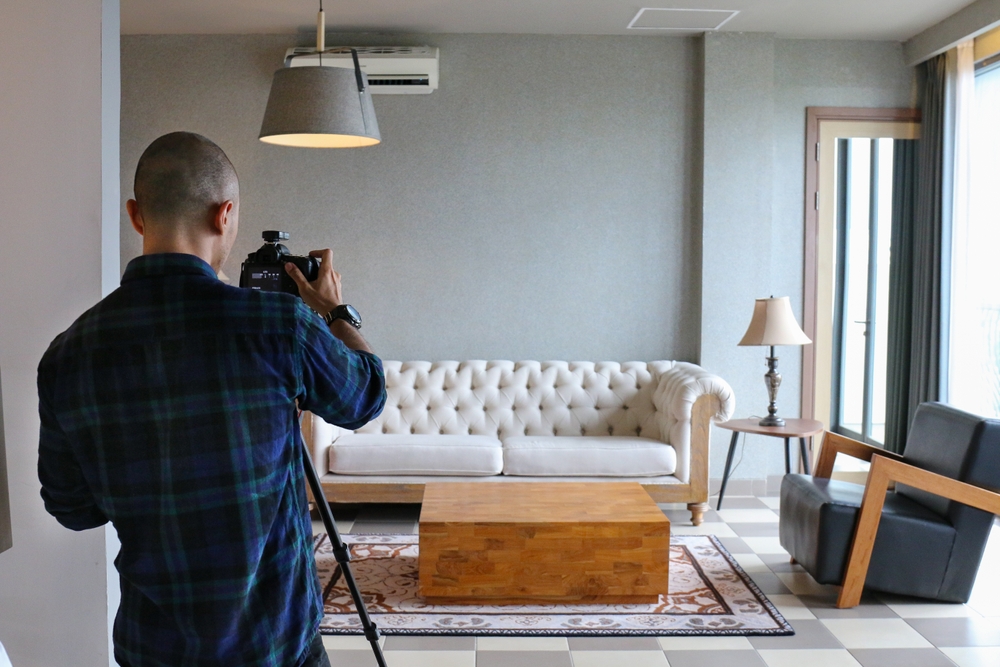
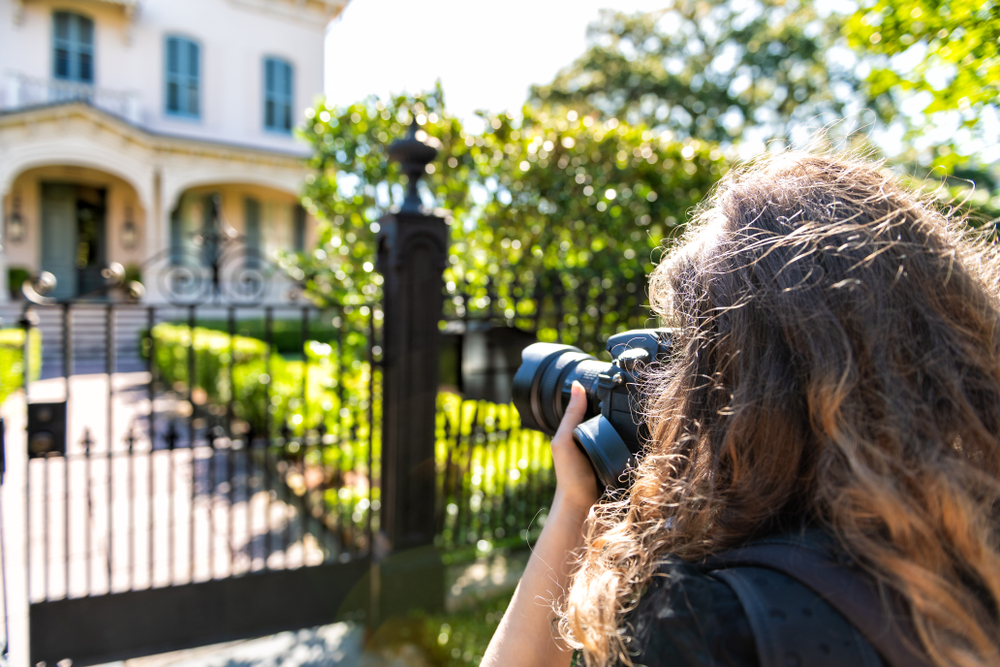
At the core of every real estate photography training program is a robust foundation in photographic principles tailored specifically for real estate applications. Students begin by learning how to use professional-grade equipment, from DSLR and mirrorless cameras to a wide range of lenses and tripods. These tools become extensions of the photographer’s eye, and knowing when and how to use them is crucial.
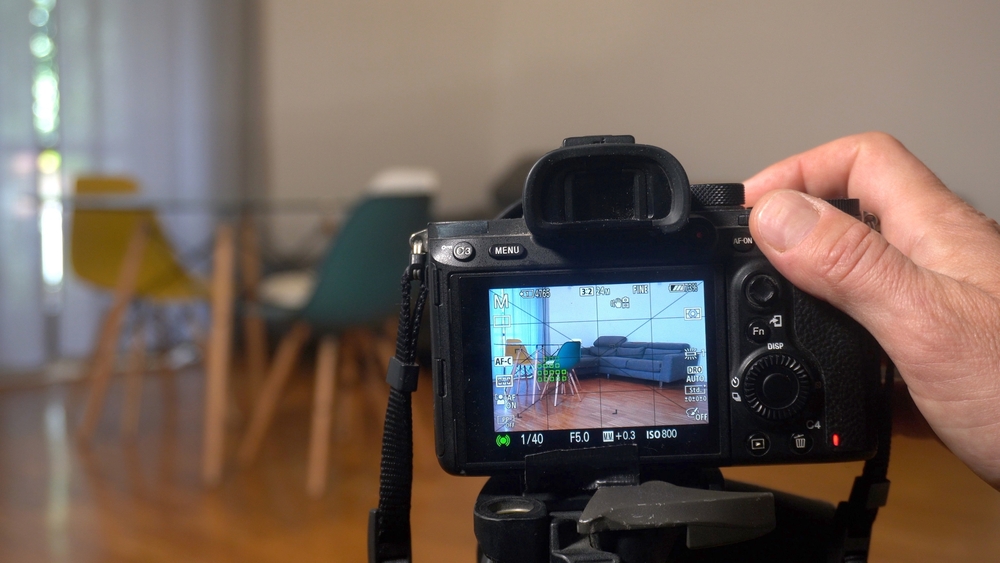
Training also delves into critical elements such as ISO, aperture, and shutter speed—collectively known as the exposure triangle—and how they interact to produce images that are both sharp and well-lit. However, shooting real estate goes beyond mastering exposure; it involves developing a keen awareness of natural and artificial lighting conditions within an architectural environment. Trainees learn how to adapt to different times of day, lighting types, and weather conditions to bring out the best in every property.
Equally important is learning how to compose shots that are both informative and emotionally resonant. Composition in real estate photography involves understanding room layouts, visual flow, and symmetry. It also entails identifying the home’s best features and framing them in a way that appeals to potential buyers. The program teaches students how to tell a visual story through their lenses—a story that leads viewers from room to room as if they were touring the space in person.
Developing Post-Processing and Editing Expertise
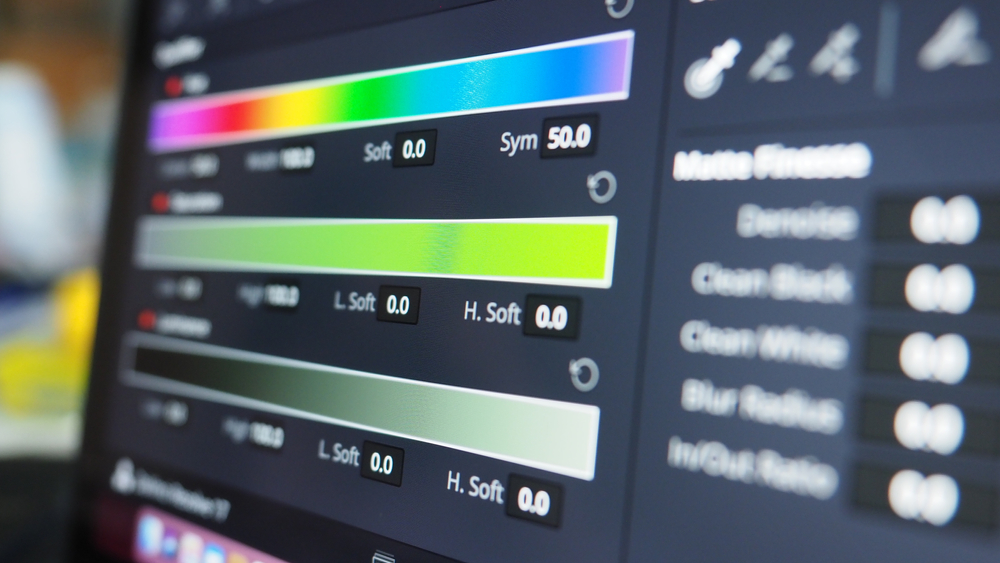
Real estate photography doesn’t end when the shutter clicks. Post-processing is an indispensable part of producing polished and professional-grade images. A training program provides in-depth instruction in editing software such as Adobe Lightroom and Photoshop. These tools enable photographers to correct exposure, adjust white balance, remove lens distortions, and fix minor imperfections like blemishes on walls or uneven lighting.
A crucial part of post-processing in real estate involves High Dynamic Range (HDR) blending and compositing. Since interior spaces often have challenging lighting—like bright windows in dimly lit rooms—photographers are trained to bracket multiple exposures and combine them into a single balanced image that shows both interior detail and exterior views. This is particularly useful for showcasing spaces with large windows, skylights, or architectural features that need a nuanced exposure treatment.
Moreover, students learn to maintain a natural aesthetic throughout their edits. Over-processing can make a property feel artificial and deceptive. Training programs emphasize the importance of subtle enhancements that stay true to the space, helping photographers build credibility with clients and potential buyers alike.
Understanding Real Estate Industry Needs and Client Collaboration
A successful real estate photographer is not just an artist but also a service provider who understands the needs of clients in the real estate sector. Training programs include modules focused on industry knowledge and client relations. Photographers are taught how to collaborate effectively with real estate agents, brokers, stagers, and homeowners. This includes managing expectations, scheduling efficiently, and communicating clearly about deliverables.
Students also gain insights into the psychological and marketing principles behind property photos. For example, wide-angle lenses are taught not just as a tool for fitting more into the frame, but for how they impact the perceived size of a space. Angles, focal lengths, and height of the camera position are discussed in the context of what helps sell a home faster and at a better price. By the end of the course, photographers can not only produce beautiful images but also strategically create visuals that help listings stand out in competitive markets.
Some programs also incorporate basic staging knowledge—guidance on how to tidy or rearrange spaces to enhance the shoot. While not the photographer’s primary responsibility, being able to suggest small, impactful changes to improve composition can elevate the quality of the final images and improve client satisfaction.
Learning Advanced Techniques for Aerial and Video Imaging
With the rise of drone technology and the increasing popularity of video walkthroughs, many real estate photography programs have evolved to include instruction in aerial and video imaging. Learning to fly drones responsibly and legally—following FAA regulations and local ordinances—is an essential skill in modern real estate photography.
Students are trained in capturing aerial shots that showcase the scale of a property, its layout, and the surrounding neighborhood. These images are particularly valuable for large estates, commercial properties, or homes with outdoor amenities like pools and landscaped gardens. In addition to photography, programs cover the basics of aerial video and smooth drone fly-throughs that can be used in listing videos or social media promotions.
Video production training typically includes instruction in shooting steady interior walkthroughs using gimbals or handheld stabilizers. These videos require planning and choreography to ensure that transitions between rooms feel natural and visually engaging. Editing skills extend into video as well, with training on software like Adobe Premiere Pro or Final Cut Pro, where students learn to splice footage, apply transitions, add background music, and integrate branding elements.
Mastery of these advanced techniques positions graduates as full-service providers who can offer more than still photography. This broadens their value proposition and opens doors to a wider client base, especially in luxury real estate and commercial development.
Building a Thriving Photography Business
The final piece of the real estate photography training puzzle is equipping students with the business acumen necessary to thrive in a competitive marketplace. This includes learning how to price services competitively yet sustainably, understanding local market dynamics, and crafting effective marketing strategies to attract clients.
Students are guided through the process of building a portfolio that showcases their best work and highlights their unique style. They also receive instruction in creating and optimizing a professional website, utilizing social media platforms for exposure, and leveraging online real estate communities for referrals and leads. Some programs even touch on customer relationship management (CRM) systems and invoicing tools to streamline operations.
Legal and administrative aspects are also covered, such as drafting contracts, handling copyright and image licensing, and managing cancellations or reshoots. These elements may seem peripheral to photography, but they are crucial to building trust and protecting the photographer’s work and income.
Real estate photography programs often invite guest speakers, such as seasoned professionals or successful entrepreneurs in the industry, to share insights, pitfalls to avoid, and tips for long-term success. By the end of the course, students are not only technically proficient but also strategically equipped to run a viable and scalable photography business.
Conclusion
A real estate photography training program does more than teach people how to take attractive pictures of homes—it cultivates a versatile skill set that combines artistry, technology, communication, and entrepreneurship. Graduates leave with the ability to produce stunning visuals, collaborate effectively with clients, navigate post-production software, and manage a thriving business. In a field where image is everything, these skills are the keys to unlocking opportunity and standing out in a crowded marketplace. Whether you’re an aspiring photographer looking to specialize or a real estate professional aiming to enhance your marketing toolkit, formal training in real estate photography is an investment that can yield lasting returns.
Need Real Estate HDR Outsourcing in St. Cloud, MN?
Welcome to PixNevel, your premier destination for HDR image enhancement and day-to-dusk virtual staging. We specialize in transforming ordinary photos into stunning, high-quality visuals that capture attention and elevate any space. Our expert team uses and coaches advanced HDR techniques to enhance image clarity, color, and detail, making your property or product stand out. Additionally, our day-to-dusk photo editing and virtual staging services create captivating twilight scenes, adding warmth and allure to your listings. Contact us today to learn more about what we can do for you.
In the real estate market, high-quality visuals are no longer optional—they’re essential. Buyers often make their first impressions based on photos, and properties with eye-catching imagery tend to sell faster and for higher prices. This is where HDR (High Dynamic Range) photography comes into play, offering a method to create vibrant, detailed images that captivate potential buyers. In this guide, we’ll explore how HDR photography can elevate your real estate visuals and provide actionable real estate photography tips to help you master this technique.
Understanding HDR Photography in Real Estate
What Is HDR Photography?
HDR photography combines multiple images of the same scene, each captured at different exposure levels, into a single image. The goal is to balance the highlights, mid-tones, and shadows, creating a photo that looks more like what the human eye perceives in real life.
For real estate photography, HDR is especially valuable. It allows you to showcase the full range of light in a room, from the darkest corners to the sunlit windows, without losing detail. This technique is perfect for capturing interiors with high contrast lighting, such as a room with large windows letting in bright sunlight.
Why HDR Matters in Real Estate Photography
Traditional photography methods often struggle with high-contrast scenes. Without HDR, you may end up with overexposed windows or underexposed interiors, which fail to highlight the property’s features effectively. HDR solves these issues, producing images that are:
Balanced: HDR ensures that both bright and dark areas are well-lit.
Vivid: Colors appear richer and more realistic.
Inviting: The overall composition becomes more visually appealing, drawing viewers in.
Getting Started with HDR Photography
Essential Equipment for HDR Real Estate Photography
Before diving into HDR photography, ensure you have the right tools:
Camera: A DSLR or mirrorless camera with manual settings is ideal.
Tripod: Stability is crucial for capturing multiple exposures of the same scene.
Wide-Angle Lens: A wide-angle lens helps capture entire rooms.
HDR Software: Programs like Adobe Lightroom, Photoshop, or Photomatix are commonly used for merging and editing HDR images.
Setting Up for Success
Choose the Right Time: Shoot during the golden hours (early morning or late afternoon) to minimize harsh shadows and overly bright light.
Use a Tripod: A stable camera ensures consistent framing for all exposures.
Set Manual Mode: Control your camera’s exposure settings to capture a range of brightness levels.
Shoot in RAW: RAW files retain more detail and offer greater flexibility in post-processing.
Capturing HDR Photos for Real Estate
The Bracketing Technique
Bracketing involves taking multiple shots of the same scene at different exposure levels. Typically, you’ll capture three to five images:
One at normal exposure.
One or two underexposed to preserve highlight details.
One or two overexposed to brighten shadow areas.
Tips for Shooting Interiors
Mind the Composition: Ensure your shots highlight key features of the space, such as a fireplace, large windows, or unique architectural elements.
Balance Natural and Artificial Light: Turn on lights to complement natural light, but avoid mixing color temperatures (e.g., warm incandescent and cool daylight).
Minimize Clutter: Clean and stage the room to make it more appealing.
Tips for Shooting Exteriors
Check the Weather: Overcast skies are often better for HDR photography, as they reduce harsh shadows.
Include Landscaping: A well-maintained yard or garden adds value to the property.
Focus on Key Angles: Capture the property’s facade, backyard, and unique outdoor features like a pool or deck.
Editing HDR Real Estate Photos
Merging Exposures
After capturing your bracketed shots, use HDR software to merge them. Follow these steps:
Import Images: Load your bracketed images into the software.
Align Photos: Ensure the images are perfectly aligned, especially if there was slight movement during shooting.
Merge: Combine the exposures into a single HDR image.
Fine-Tuning in Post-Processing
Adjust Brightness and Contrast: Ensure the image looks natural and well-balanced.
Enhance Colors: Boost saturation subtly to make colors pop without looking artificial.
Sharpen Details: Highlight textures, such as wood grain or tile patterns.
Correct Distortions: Use software tools to straighten lines and correct lens distortion.
Avoiding Common Editing Mistakes
Overprocessing: Avoid making the image look too surreal or unrealistic.
Excessive Saturation: Keep colors true to life to maintain credibility.
Ignoring White Balance: Ensure the color temperature matches the lighting in the scene.
Benefits of HDR for Real Estate Professionals
Captivating Listings
HDR photography enhances the appeal of online property listings. Buyers are more likely to click on listings with professional, high-quality images, increasing your chances of securing inquiries.
Faster Sales
Properties with stunning visuals attract more attention, often leading to quicker sales. By showcasing a home in its best light, HDR photography can shorten the time it spends on the market.
Competitive Edge
Using HDR photography sets you apart from competitors who rely on standard images. It demonstrates a commitment to quality and professionalism, which clients value.
Advanced Real Estate Photography Tips
Virtual Staging with HDR
Combine HDR photography with virtual staging to showcase empty spaces more effectively. Virtual furniture can help buyers visualize the potential of a room, creating a stronger emotional connection.
Aerial HDR Shots
For properties with large outdoor spaces or unique surroundings, consider using drones to capture HDR aerial shots. This perspective adds a “wow” factor to your listings.
Consistency Across Listings
Ensure all your listings feature a consistent style. This helps establish your brand identity and builds trust with potential buyers.
Conclusion
HDR photography is a game-changer for real estate professionals looking to create compelling, high-quality visuals. By mastering the techniques outlined above and following these real estate photography tips, you can elevate your listings, attract more buyers, and stay ahead of the competition. Invest in the right tools, practice your skills, and experiment with HDR editing to unlock the full potential of your property photos.
Whether you’re a seasoned photographer or a real estate agent looking to improve your marketing materials, HDR photography offers a powerful way to showcase properties in their best light. Start incorporating HDR into your workflow today and watch your listings stand out in a crowded market.
Need Real Estate HDR Outsourcing & Real Estate Photography Coaching in St. Cloud, MN?
Welcome to PixNevel, your premier destination for HDR image enhancement, real estate photography coaching, and day-to-dusk virtual staging. We specialize in transforming ordinary photos into stunning, high-quality visuals that capture attention and elevate any space. Our expert team not only uses advanced HDR techniques to enhance image clarity, color, and detail but also offers real estate coaching to help agents and photographers maximize the visual appeal of their listings. Additionally, our day-to-dusk photo editing and virtual staging services create captivating twilight scenes, adding warmth and allure to your properties.
Whether you’re looking to enhance your images or sharpen your real estate photography marketing skills, PixNevel has you covered. Contact us today to learn more about how we can support your success.
In today’s visually driven world, high-quality photos are a key component of any business or personal brand. Whether you’re a professional photographer, an e-commerce seller, or a content creator, your images need to be flawless to captivate your audience. However, photo editing can be a time-consuming task that requires both technical skills and a keen eye for detail. This is where outsourcing comes into play. In this article, we’ll explore the top reasons you should outsource your photo editing, and why it could be the best decision for your business or personal workflow.
Save Time and Focus on Core Activities
One of the most compelling reasons to outsource your photo editing is the amount of time it frees up. Photo editing, when done right, is a meticulous and detail-oriented process. It involves correcting colors, adjusting lighting, retouching, and enhancing images to make them visually appealing. If you try to handle all this yourself, it can take hours—if not days—depending on the volume of photos.
By outsourcing this task, you allow yourself to focus on more critical aspects of your business or personal projects. For photographers, this could mean having more time for shooting and client management. For business owners, it means dedicating more time to growing the business, strategizing marketing campaigns, or refining product offerings.
The Impact of Time Management on Growth
When you outsource your photo editing, you’re not just delegating tasks—you’re making a strategic decision to invest your time where it matters most. Think about the potential business growth you could achieve if you had an additional 10 or 20 hours per week to focus on core activities like customer acquisition or creative development. For businesses, efficient time management can be the difference between scaling quickly or plateauing. This is why you should consider outsourcing your photo editing to experts, leaving you free to drive growth.
Access to Expert Skills and Cutting-Edge Tools
Another major advantage of outsourcing your photo editing is the access to professional skills and state-of-the-art tools. Professional photo editors have years of experience and are trained to deliver top-notch results. They know the latest trends and techniques, and they use advanced software that can transform a standard photo into a stunning, polished image.
When you hire an external photo editing service, you’re not just paying for time—you’re paying for expertise. These professionals understand the subtleties of light, contrast, and composition. Whether you need high-end retouching for fashion photography, or product photo enhancement for e-commerce, outsourcing ensures that your images are handled by someone who knows exactly how to make them shine.
The Power of Specialization
Outsourced photo editors specialize in their craft, often focusing on specific types of editing such as retouching, color correction, or background removal. This means they bring a level of expertise and specialization that is hard to match in-house, especially if photo editing is not your primary business. By outsourcing, you can leverage this specialized skill set to create the best possible images without having to spend years learning the trade yourself.
Cost-Efficiency: A Smart Investment
At first glance, you might think outsourcing is an added expense, but when you consider the bigger picture, it’s often a cost-saving decision. Hiring a full-time, in-house photo editor means committing to a salary, benefits, and training. If photo editing is not a daily necessity, this could end up being a financial burden. On the other hand, outsourcing allows you to pay only for the services you need, when you need them.
Additionally, outsourcing means you don’t need to invest in expensive software or hardware upgrades to keep up with the latest editing trends. Professional photo editing services already have the tools and technology in place to deliver high-quality results. This level of flexibility and scalability can significantly reduce your operational costs over time.
Outsourcing: The Cost-Effective Solution for Growing Businesses
For small to medium-sized businesses, outsourcing photo editing can be a game-changer. It allows you to allocate your budget more effectively, without sacrificing quality. By working with external photo editing professionals, you can maintain top-tier image quality while keeping your operating costs low. This cost-efficiency is one of the top reasons you should outsource your photo editing, especially if you’re a growing business trying to optimize every dollar spent.
Improved Turnaround Times
Outsourcing your photo editing to a dedicated service means faster turnaround times. These services often work in teams, allowing them to handle large volumes of photos quickly and efficiently. If you’re handling bulk photo editing in-house, it could take much longer, especially if you’re juggling other responsibilities.
For industries like e-commerce, fashion, and real estate, fast turnaround times are crucial. A delay in getting images ready can hold up your product launches or marketing campaigns. By outsourcing, you ensure that your images are edited and delivered on time, helping you meet your deadlines without stress.
Keeping Up with Market Demands
In fast-paced industries, timely delivery is crucial. For instance, during the holiday season, e-commerce businesses need to upload product images quickly to meet the demand of eager shoppers. If you delay photo editing, you risk losing sales. Outsourcing ensures that your edited images are delivered in record time, helping you stay competitive in a fast-moving market.
Consistency and Professionalism
When you outsource your photo editing to professionals, you can expect consistent results. Inconsistencies in photo editing—such as uneven lighting, improper color correction, or inconsistent cropping—can negatively impact your brand’s image. Whether you’re a photographer building a portfolio or an online store showcasing products, consistency is key to maintaining a professional look.
Photo editing services ensure that all your images adhere to the same high standard of quality. By maintaining this level of professionalism, you strengthen your brand’s credibility and appeal. This is one of the primary reasons you should consider outsourcing your photo editing, especially if you’re working with large volumes of images.
Building a Strong Visual Identity
A consistent visual identity is vital for any brand. It helps you stand out and makes your products or services easily recognizable. By outsourcing your photo editing, you ensure that your images align with your brand’s aesthetics and messaging, contributing to a cohesive and professional brand presence across all platforms.
Flexibility and Scalability
One of the biggest challenges businesses face is fluctuating workloads. Some weeks you may have hundreds of photos that need editing, while during slower times, the demand may drop significantly. When you outsource, you have the flexibility to scale your photo editing needs up or down based on your current workload.
This scalability is especially important for industries that experience seasonal shifts. For example, photographers may be busier during wedding season, while e-commerce businesses might need more photo editing services during the holidays. Outsourcing allows you to handle these fluctuations smoothly without needing to worry about overstaffing or underutilizing in-house resources.
Meeting Peak Demands with Ease
Outsourcing also ensures that you’re always ready to meet peak demands. If you try to handle photo editing in-house during busy periods, the quality of your work may suffer due to time constraints and added pressure. An external photo editing service, however, is equipped to manage sudden surges in workload while maintaining high-quality standards.
Enhanced Creativity and Innovation
Professional photo editors bring more than just technical skills to the table. They offer a fresh perspective and can introduce new ideas and creative approaches to enhance your images. Whether it’s experimenting with different filters, cropping techniques, or color schemes, these experts can elevate your photos in ways you might not have considered.
This infusion of creativity can set your images apart from the competition. It’s particularly valuable if you’re working in a competitive market like fashion or real estate, where unique and visually appealing images are essential to stand out.
Leveraging Industry Trends
Photo editing professionals stay updated on the latest industry trends. They know which styles are trending, which filters are gaining popularity, and how to create images that resonate with today’s audience. By outsourcing your photo editing, you benefit from this knowledge, ensuring your images remain relevant and engaging.
Conclusion
In today’s fast-paced and visually driven world, outsourcing your photo editing is more than just a smart move—it’s a necessity. Whether you’re looking to save time, reduce costs, ensure consistency, or leverage expert skills, there are countless benefits to working with professional photo editors. As we’ve outlined, the top reasons you should outsource your photo editing range from improved efficiency to enhanced creativity. If you’re serious about growing your business or personal brand, you should consider outsourcing your photo editing to focus on what truly matters: creating, innovating, and driving success.
Need Real Estate HDR Outsourcing in St. Cloud, MN?
Welcome to PixNevel, your premier destination for HDR image enhancement and day-to-dusk virtual staging. We specialize in transforming ordinary photos into stunning, high-quality visuals that capture attention and elevate any space. Our expert team uses and coaches advanced HDR techniques to enhance image clarity, color, and detail, making your property or product stand out. Additionally, our day-to-dusk photo editing and virtual staging services create captivating twilight scenes, adding warmth and allure to your listings. Contact us today to learn more about what we can do for you.
Real estate photography has become a competitive business. Photographers are tasked with delivering top-quality images that can showcase properties in their best light, literally and figuratively. However, the process of capturing photos is just half of the equation. Post-production or photo editing plays a crucial role in transforming raw images into eye-catching visuals that attract buyers and clients. Given the demands of real estate photography, photographers often face a dilemma: Should they edit the photos themselves or outsource the task?
In this blog post, we will explore why photographers should outsource their real estate photo editing and how it can enhance their business. From improving efficiency to delivering high-quality results, outsourcing offers several advantages. Let’s dive deeper into how this practice can be a game-changer.
The Growing Importance of Photo Editing in Real Estate Photography
Real estate is a highly visual industry. Buyers often make decisions based on their first impression of a property, which is almost always through images. In fact, online listings with high-quality photos sell faster and for higher prices compared to those with poorly edited images. This is where photo editing comes into play.
Editing real estate photos involves several aspects: adjusting lighting, enhancing colors, correcting distortions, and creating a clean, polished look that appeals to potential buyers. Even the most stunning shots straight from the camera can benefit from post-processing. But photo editing is time-consuming and demands a high level of skill to ensure professional results.
With tight deadlines, a growing client base, and the need for quick turnaround times, photographers may find it challenging to juggle both shooting and editing. This is why many are choosing to outsource their real estate photo editing.
The Power of Outsourcing to Boost Your Real Estate Photography Business
Outsourcing has become a common practice across various industries, and photography is no exception. For real estate photographers, outsourcing photo editing can bring significant benefits. Here’s why:
1. Save Time and Increase Efficiency
One of the primary reasons photographers should outsource their real estate photo editing is to save time. Editing photos can be a lengthy process, especially when dealing with large volumes of images or complex edits such as sky replacements, virtual staging, or HDR blending. By outsourcing this task, photographers free up valuable hours that can be spent on shooting more properties, client consultations, marketing, or simply enjoying personal time.
Efficiency is key to growing a business. The quicker a photographer can deliver high-quality photos, the more likely they are to retain clients and take on new projects. With a professional editing team handling post-production, photographers can meet tight deadlines without compromising the quality of their work.
2. Focus on Core Competencies
Photographers excel at capturing the essence of a property. Their core competency lies in the art of photography, not necessarily in photo editing. While many photographers are proficient in editing, it may not be the most efficient use of their time and energy. By outsourcing editing tasks, photographers can focus on what they do best: shooting.
This focus allows photographers to refine their craft, experiment with new techniques, and improve their overall service offering. Rather than spending hours behind a computer editing, photographers can be out in the field, doing what they love and what brings in revenue.
3. Access to Professional Editing Expertise
Professional photo editors who specialize in real estate photography understand the specific requirements and standards of the industry. They are well-versed in techniques such as correcting lens distortions, enhancing interior lighting, fixing exposure, and creating visually appealing images that highlight a property’s best features.
By outsourcing, photographers gain access to this expertise without having to invest time in learning complex editing software or techniques themselves. The result? Consistently high-quality images that meet the expectations of clients and potential buyers alike.
4. Maintain Consistency Across Your Portfolio
Consistency is crucial in real estate photography. Clients expect a certain standard of quality, and maintaining that standard across all projects can be challenging, especially when juggling multiple shoots and editing deadlines. By outsourcing your photo editing, you can ensure that each image is edited to the same high standard, creating a cohesive and professional portfolio.
Editing teams are trained to follow specific guidelines and style preferences, ensuring that every photo aligns with your brand’s aesthetic. This consistency not only enhances your reputation but also builds trust with clients who know they can expect top-notch results every time.
5. Faster Turnaround Times
The real estate industry moves quickly. Properties can go on and off the market within days, and realtors expect fast delivery of images to keep up with demand. By outsourcing photo editing, photographers can guarantee faster turnaround times, making them more competitive in the marketplace.
Many outsourcing services offer 24-48 hour delivery for edited photos, allowing photographers to meet the tight deadlines that real estate professionals often require. This speed of service can be the difference between securing a job or losing it to a competitor.
6. Cost-Effective Solution
Outsourcing is often more cost-effective than hiring in-house editors or dedicating personal time to editing. When photographers handle their own editing, they must factor in the cost of software, training, and the potential loss of business from spending hours on non-revenue-generating tasks.
Outsourcing allows photographers to pay only for the services they need. Whether it’s a small batch of images or a large project, outsourcing provides flexibility in terms of pricing and service scope. Photographers can scale their editing needs according to the size and demands of their business without the overhead costs associated with hiring full-time staff.
7. Stay Competitive in a Fast-Paced Market
The real estate market is competitive, and real estate photographers must stay ahead of the curve. Outsourcing photo editing can give photographers the edge they need to stand out. With faster delivery times, consistently high-quality images, and a streamlined workflow, photographers can offer a superior service that clients will appreciate.
Additionally, outsourcing opens the door to advanced editing services such as virtual staging, 360-degree tours, and drone photo editing, allowing photographers to expand their service offerings and attract a broader range of clients.
How to Choose the Right Photo Editing Service
When considering outsourcing, it’s essential to choose a photo editing service that aligns with your needs and business goals. Here are some factors to consider:
1. Expertise in Real Estate Photography
Not all photo editing services are created equal. Ensure that the service you choose specializes in real estate photo editing and understands the unique challenges of this niche. Look for a company with a strong portfolio of real estate images and positive client testimonials.
2. Turnaround Time
Real estate moves quickly, so timely delivery is critical. Confirm that the editing service offers fast turnaround times that meet your deadlines without sacrificing quality.
3. Communication and Collaboration
Good communication is key to ensuring that your editing preferences and style are met. Choose an editing service that offers clear channels of communication, whether through project management platforms, email, or direct collaboration with the editing team.
4. Flexibility and Scalability
As your business grows, your editing needs may change. Look for a service that can scale with your business, offering flexibility in terms of pricing, service packages, and volume capacity.
5. Quality Control
Ensure that the editing service has a strong quality control process in place. Consistency and attention to detail are essential in real estate photography, and you want to be confident that every image meets your standards.
The Power of Outsourcing to Boost Your Real Estate Photography Business
Outsourcing real estate photo editing can be a transformative decision for photographers looking to streamline their workflow, improve efficiency, and deliver top-tier images to clients. By delegating editing tasks to professionals, photographers can focus on growing their business, enhancing their shooting skills, and maintaining a competitive edge in the real estate market.
The power of outsourcing goes beyond just saving time—it boosts the overall quality of your work, helps you meet client expectations, and ensures your business operates smoothly even in a fast-paced industry. In short, it’s a strategic move that can take your real estate photography business to the next level.
Need Real Estate HDR Outsourcing in St. Cloud, MN?
Welcome to PixNevel, your premier destination for HDR image enhancement and day-to-dusk virtual staging. We specialize in transforming ordinary photos into stunning, high-quality visuals that capture attention and elevate any space. Our expert team uses and coaches advanced HDR techniques to enhance image clarity, color, and detail, making your property or product stand out. Additionally, our day-to-dusk photo editing and virtual staging services create captivating twilight scenes, adding warmth and allure to your listings. Contact us today to learn more about what we can do for you.
In the competitive world of real estate, showcasing a property effectively can make all the difference in attracting potential buyers or renters. One of the most powerful tools at your disposal is photography. High-quality images can highlight the best features of a property, create a strong first impression, and ultimately drive interest. This article explores how to leverage photography and editing techniques to effectively showcase a property’s best features.
Importance of Professional Photography in Real Estate
In the digital age, the first encounter many potential buyers have with a property is through online listings. Images are the gateway to generating interest and setting expectations. Professional real estate photography is essential for capturing a property in its best light—literally and figuratively. High-resolution images taken with professional equipment can make spaces appear larger, brighter, and more inviting than they may appear in person.
Capturing the Essence of the Property
Effective real estate photography goes beyond simply documenting rooms. It aims to convey the lifestyle and atmosphere potential buyers can expect. Wide-angle lenses can make rooms appear more spacious and give a comprehensive view of each space. Lighting is crucial; natural light enhances warmth and vibrancy, while strategic use of artificial light can illuminate darker corners and highlight architectural details.
Showcasing Key Features
Every property has unique selling points—whether it’s a gourmet kitchen, a spacious backyard, or stunning architectural details. A skilled real estate photographer knows how to emphasize these features. Close-up shots of intricate moldings, sweeping views from balconies, or cozy fireplaces can evoke emotion and appeal to potential buyers’ desires for a comfortable and luxurious living space.
The Role of Editing in Real Estate Photography
While photography captures the essence of a property, editing enhances its appeal. Professional editing can correct minor imperfections, adjust lighting and colors, and ensure the images are visually engaging. The goal is not to mislead but to present the property in the best possible way, accurately reflecting its potential.
Enhancing Visual Appeal
Editing techniques such as color correction, exposure adjustments, and perspective correction can transform raw images into polished photographs. Brightening shadows, enhancing colors, and straightening lines contribute to a clean and professional look. Balancing these enhancements with maintaining a natural appearance is key to building trust with potential buyers.
Creating a Consistent Brand Image
Consistency in photography style and editing across listings contributes to a cohesive brand image for real estate professionals. Establishing a recognizable visual identity can help build trust and credibility with clients and prospective buyers. Consistent quality in images signals professionalism and attention to detail, reinforcing the perceived value of the properties being marketed.
Tips for Effective Real Estate Photography
Successful real estate photography requires more than just technical skills—it involves understanding the property’s unique features and effectively communicating its potential. Here are some practical tips to achieve compelling real estate photographs:
1. Plan Ahead
Before picking up a camera, assess the property. Identify its standout features and plan how to showcase them through photography. Consider the best time of day for natural light and prepare each room to highlight its strengths.
2. Use the Right Equipment
Invest in quality equipment, including a DSLR camera with a wide-angle lens and a tripod. These tools allow for sharp, well-composed images and ensure consistency across different properties.
3. Focus on Composition
Pay attention to composition by framing shots thoughtfully. Capture angles that emphasize space and flow, leading potential buyers through the property logically. Straighten lines and avoid overly distorted perspectives to maintain realism.
4. Highlight Details
Details matter in real estate photography. Capture close-ups of unique architectural elements, luxurious finishes, or practical amenities that add value to the property. These shots can evoke an emotional response and set your listings apart.
5. Edit Thoughtfully
After capturing photos, dedicate time to editing. Use software like Adobe Lightroom or Photoshop to enhance colors, correct lighting, and ensure consistency. Aim for a natural look that accurately represents the property while maximizing its appeal.
Conclusion
Effective real estate photography and editing are powerful tools for showcasing a property’s best features. By investing in professional photography and employing skilled editing techniques, real estate professionals in St. Cloud, MN, can attract more interest, differentiate their listings, and ultimately achieve successful sales. Remember, high-quality images not only capture attention but also convey the value and potential of a property, making them a crucial component of any real estate marketing strategy.
Need a Real Estate Photo Editor in St. Cloud, MN?
Welcome to PixNevel, your premier destination for HDR image enhancement and day-to-dusk virtual staging. We specialize in transforming ordinary photos into stunning, high-quality visuals that capture attention and elevate any space. Our expert team uses and coaches advanced HDR techniques to enhance image clarity, color, and detail, making your property or product stand out. Additionally, our day-to-dusk photo editing and virtual staging services create captivating twilight scenes, adding warmth and allure to your listings. Contact us today to learn more about what we can do for you.